

Sami Ahmad, TwoCircles.net
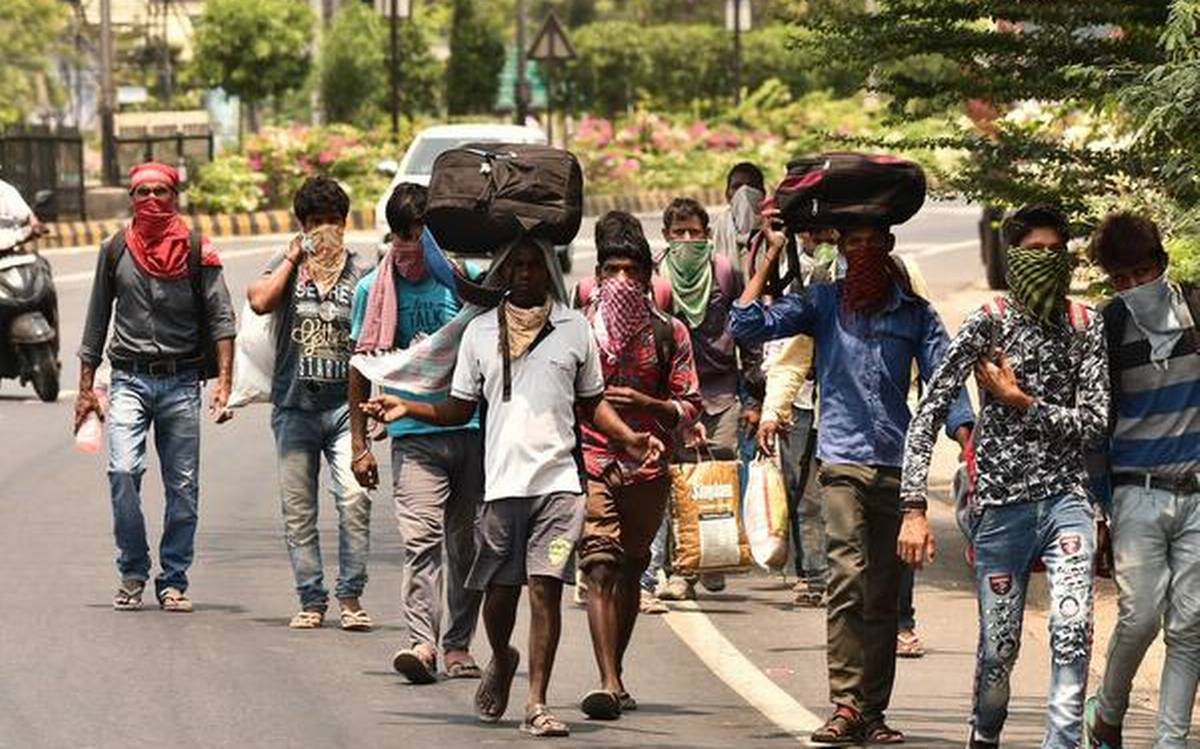
In Bihar the long queues seen outside polling booths on November 6 and 11 were matched only by the lines that soon formed at railway stations. As soon as voting ended thousands of people rushed to catch trains the cheapest and most familiar route out of the state. These were not regular commuters. They were migrant workers in the lakhs heading back to faraway workplaces after a brief festival pause.
Most had returned home to celebrate Chhatth the state’s most cherished festival. When the four-day celebration ended on October 26 the familiar cycle resumed. For many the journey home if only for a few days is an emotional anchor but the return trip is a reminder of livelihoods that lie elsewhere. The promise of local employment remains a political refrain rather than a lived reality.
Figures from the East Central Railway reveal the scale of this departure. Between October 28 and 31 more than twenty two lakh people boarded trains from major stations including Patna Gaya Bhagalpur Katihar Saharsa Jaynagar Madhubani Sitamarhi Darbhanga Samastipur Muzaffarpur Begusarai Motihari Bettiah Raxaul Chhapra and Siwan. On average more than five lakh migrants left Bihar each day during this period.
Yet many stayed back to vote contributing to a record turnout. Their participation was driven less by political enthusiasm and more by anxiety. The Special Intensive Revision of the electoral roll had created a perception among migrant workers that failing to vote might jeopardise their right to vote in future or even affect access to welfare schemes.
As polling numbers rose so did the post election rush. Fresh data from the Danapur division shows that between October 28 and November 16 about sixty four lakh people left the state on three hundred and thirty four trains apart from festival specials. Despite these staggering numbers forced migration or palayan failed to translate into the Badlao that poll strategist turned politician Prashant Kishor tried to mobilise.
Tejashwi Yadav and the Mahagathbandhan also made migration their rallying point framing it as an exodus born of economic stagnation under two decades of Nitish Kumar’s rule. The Congress launched its Palayan Roko Naukri Do campaign. Kishor called migrants the X factor in turnout predicting a wave of change. Yet Jan Suraaj won no seats and the NDA swept the polls leading experts to question whether migration actually influenced electoral choices.
Psephologist Yogendra Yadav argues that while migration was a central theme it was not a game changer. Pushpendra formerly of the Tata Institute of Social Sciences believes the issue was framed in a way that made it appear undesirable a political cliché destined to fall flat. Others like Srikant former director of the Jagjivan Ram Institute in Patna suggest that migration itself must first be understood without bias. He points out that countless professionals including children of ministers and officers migrate abroad without stigma. Migration he argues is not inherently negative.
Pushpendra adds that mobility has always been a pillar of civilisation. The question is whether it improves lives. In India where most labour is informal migrants often endure low wages insecure work and difficult living conditions. For many in Bihar migration is simply a strategy of survival.
During the campaign alliances treated migration like a fever symptom identifying unemployment as the disease and jobs as the cure. The NDA promised one crore government jobs over five years skilling hubs in every district major expressway industrial parks, IT hubs and a massive investment push. It also targeted women’s empowerment through the Lakhpati Didi scheme. The Mahagathbandhan countered with even bolder pledges including one government job per family within 20 days restoring old pensions a monthly allowance for women IT parks free exam travel and industrial expansion to curb migration. CPI M echoed these ideas and accused the NDA of negative campaigning.
Experts say the real solution lies in making the labour market fairer more rewarding and more regulated while making urban living more affordable. Creating jobs within Bihar is essential but it may only reduce net migration; not end it. For migration to resonate politically Pushpendra argues that opposition parties must reframe the issue and hold the central government accountable.
Srikant notes that for Bihar’s migrants the choice usually comes down to a train or a job. If jobs exist at home the queues for trains will shrink on their own. But he points to a deeper problem. The government lacks an honest assessment of migrant numbers. While railway data suggests massive outflow the state’s own survey estimates only forty to sixty thousand migrant workers.
Bihar’s new Industry Minister Dilip Jayswal says his priority is to stop migration. He acknowledges that providing government jobs to all is impossible but promises that the Industry Department will develop a special mission to create employment within the state.
For now however the familiar image remains. The festivals end the trains fill up, and Bihar’s cycle of migration rolls on.