

Home Blog
Selective Policing? Provoked, Beaten & Blamed – BJP Leader Leads ‘Unlawful’ March in MP’s Guna; ‘Muslims Face Arrests’
Abdul Wasim Ansari, TwoCircles.net
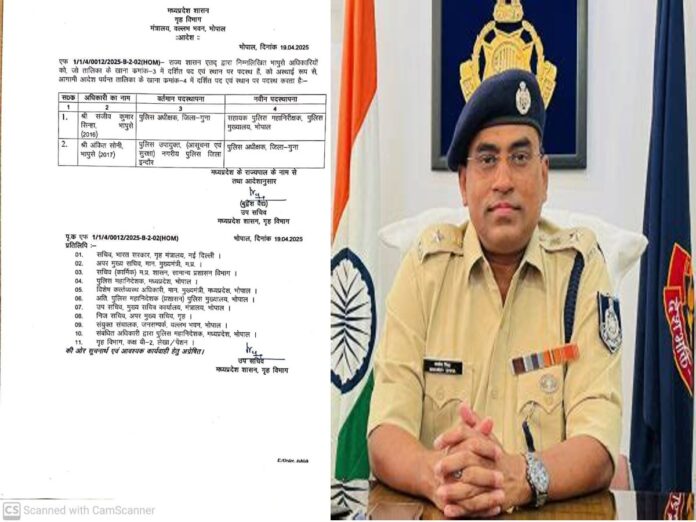
Guna (Madhya Pradesh): A series of violent incidents over three days following Hanuman Jayanti have raised serious concerns about the safety of the Muslim community in Guna. Beginning with an alleged stone-pelting incident near the Medina Mosque on April 12, 2025, the situation escalated quickly that led to multiple FIRs.
However, arrests have allegedly "disproportionately" targeted Muslim...
Caste or Creed? Dalit Christian Identity Sparks Reservation Row in Karnataka Census
TCN News Desk
Bengaluru: Identity of Dalit Christians has become a hotly debated and controversial issue amid the ongoing census for internal reservation of Scheduled Castes (SCs) in Karnataka.
Dalit rights groups, predominantly belonging to the Holeya community, are demanding a separate column for Dalit Christians in the census, while Dalit Left groups, such as the Madiga community, argue that maintaining...
With His Mother’s Eyes, Bihar’s Ravi Raaz Cracks UPSC, Ranks 182nd Despite Visual Disability
Sami Ahmad, TwoCircles.net
Patna: Ravi Raaz, 24, is one of the eight successful aspirants with visual disability who cracked what is considered India’s prestigious but toughest test, the Union Public Service Commission (UPSC), examination.
Hailing from Mahuli village in Bihar’s underdeveloped Nawadah district, about 100 kilometers south of Patna, the state capital, he secured the 182nd rank and may get the...
Pahalgam Aftermath: Collective Punishment? Military Demolitions Leave Families of Militants Homeless
Arsheed Ahmad, TwoCircles.net
Srinagar (Jammu and Kashmir): Following a deadly terrorist attack in Pahalgam that left 26 people dead, the Army launched a series of search operations across South Kashmir.
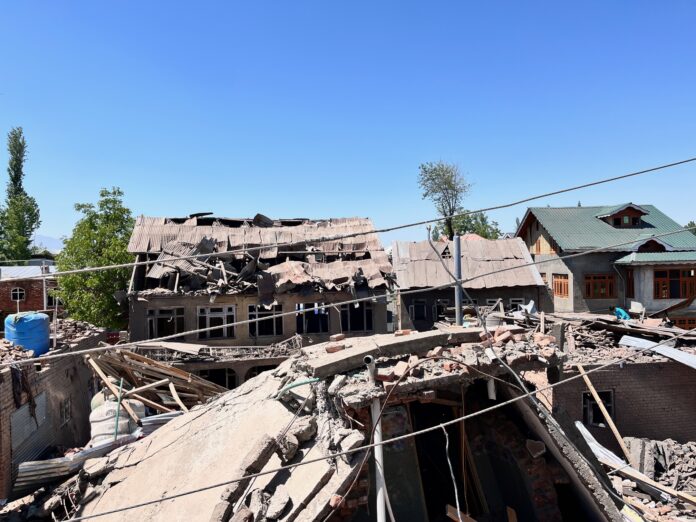
One of the first villages targeted was Muran in Pulwama district, where multiple homes were destroyed and dozens of residents displaced.
The April 22 attack at Baisaran meadow, a popular tourist destination,...
Book Review: Reclaiming Syncretic Histories – A Journey Through Bihar’s Sufi Landscape
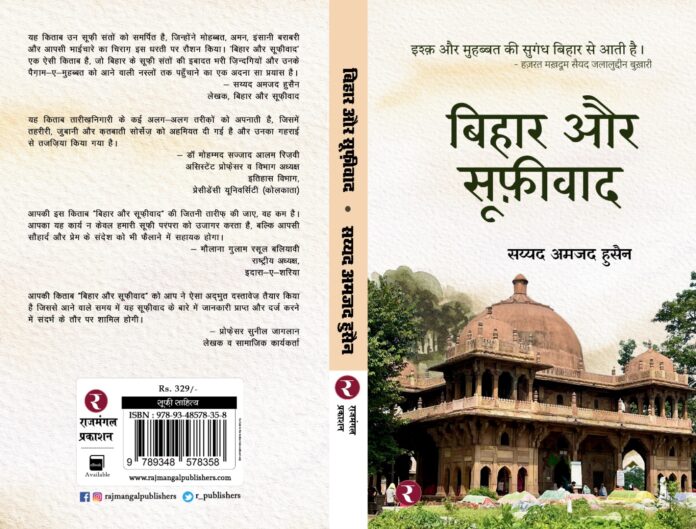
Dr. Shujaat Ali Quadri
In a time marked by growing communal tensions and polarizing narratives, young author and scholar Syed Amjad Hussain's book 'Bihar Aur Sufivad' arrives not only as a work of history but also as a much-needed spiritual intervention. Spanning more than 300 pages, the book immerses the reader in Bihar’s rich and pluralistic Sufi heritage, offering a...
In Rural Telangana, How a Dalit Women-Run Radio Station Is Changing Lives
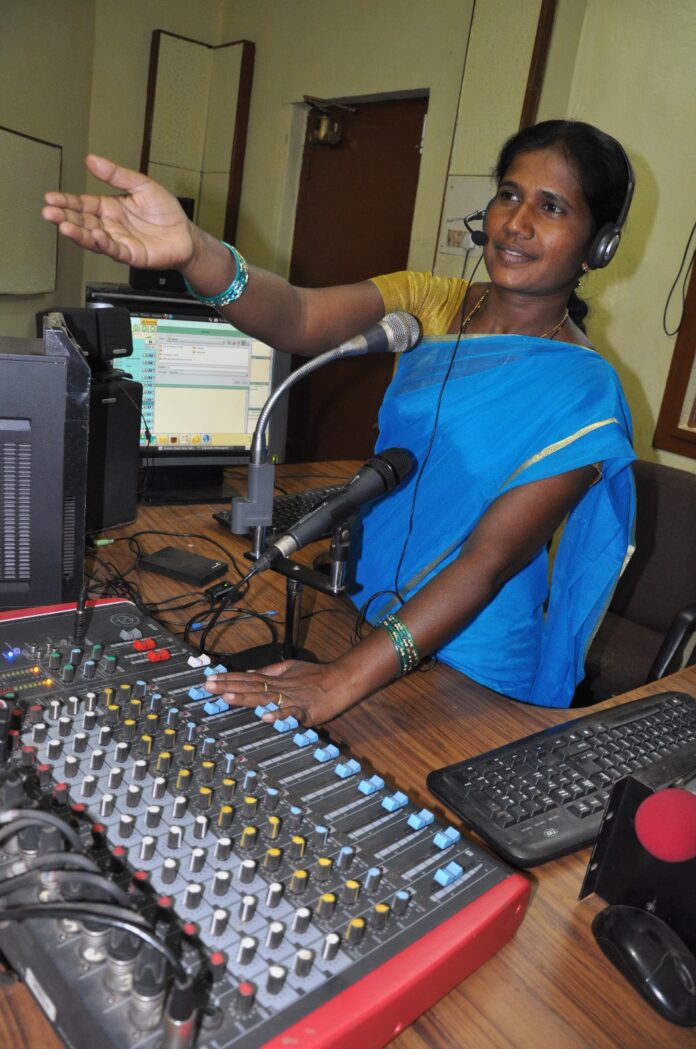
Mohini Kapoor, TwoCircles.net
Hyderabad: Not long ago, in a corner of southern India where caste and gender boundaries still hold strong, the idea of Dalit women speaking boldly into microphones would have seemed improbable. Yet today, in over 150 villages across Telangana, their voices crackle through the air — telling stories, asking questions and singing songs that have long been pushed...
The Vanishing Art of Hand-Painted Signs: Inside Painter Kafeel’s World
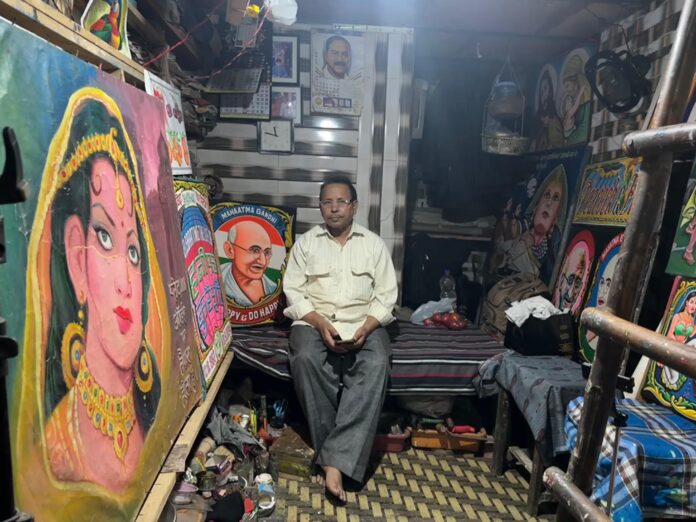
Aamirah Thayibah, TwoCircles.net
New Delhi: Behind a frayed curtain, a modest and dimly lit room in a narrow alley in Old Delhi houses a treasure trove of art. Canvases lie stacked, paint bottles rest on the floor and a 71-year-old artist is hunched over his latest creation. This is painter Kafeel Ahmad's world.
Popularly known as Painter Kafeel, he is crouched...
Home Demolitions, Mass Detentions Spark Fear in Kashmir After Pahalgam Attack

TCN Correspondent
Srinagar (Jammu and Kashmir): "Even if my brother was involved in the attack, what has our family got to do with it?" asks Aisha Begum (name changed), standing in the middle of the rubble that was once her home in Pulwama, demolished by security forces.
Her family’s house was razed following the deadly terrorist attack on April 22 at Baisaran...
‘We’re Not Begging — We’re Demanding What’s Ours’: Odisha’s Koraput Tribals Fight for Kendu Leaf Market Freedom
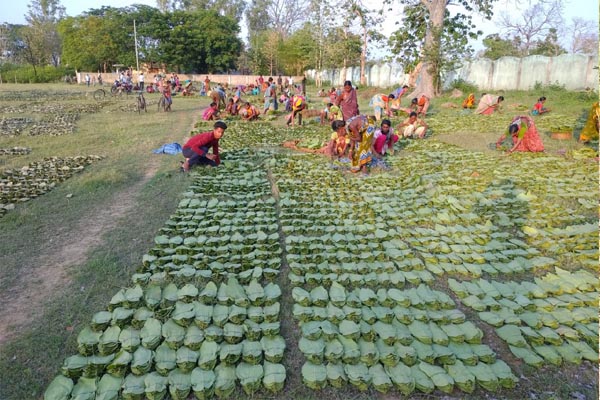
Mohsina Malik, TwoCircles.net
Koraput (Odisha): Kendu or Tendu leaf is more than just a forest product for tribal communities across the country. It is their lifeline. Harvested during the dry months and used in the making of beedis, these leaves hold the promise of seasonal income for thousands of families. But year after year, that promise slips away — tangled...
How a Young Kashmiri Girl is Reviving the Koshur Through a Reading Club
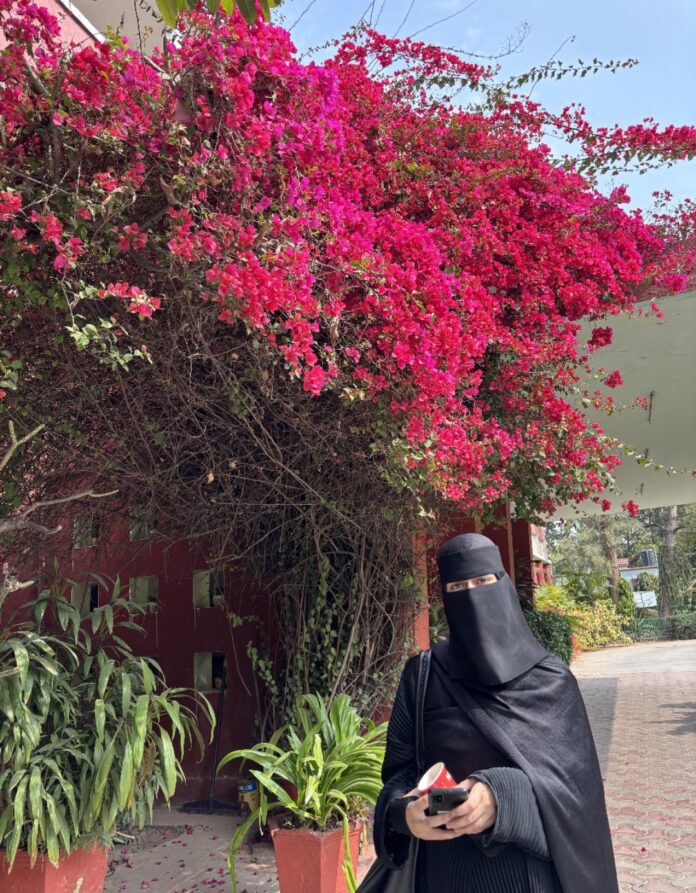
Sidra Fatima, TwoCircles.net
“Haye kasher zev, me che cheeni drieh, cze myeen khabar, cze myeev nzar, cze myeen shaoor’ich sonzil zich, cze myeeni zameer’ich mecx’sang.”
(O Kashmiri language! I swear by you, you are my awareness, my vision too, the radiant ray of my perception, the whirling violin of my conscience.) — ‘Hymn to Language’, Rehman Rahi
Kashmir — where conflict and political upheaval...
‘How Will We Support Our Family?’: Tourism Collapses Overnight After Deadly Pahalgam Attack
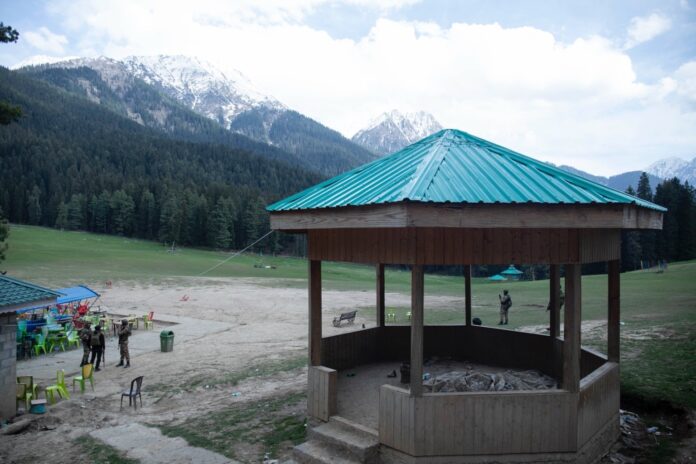
Sadaf Shabir and Fahim Mattoo/TwoCircles.net
Lal Bazar (Srinagar): Grief erupted through the quiet streets of Lal Bazar on April 23 morning. A young man, Mazoor, stood outside his home, crying. Neighbours gathered, unsure of what had happened.
“In the beginning of this year, I bought a fully AC tourist van on EMI (easy monthly instalment). It cost me $60,000, and I...
‘Cat-and-Mouse’ Chase in Kashmir Woods: Pahalgam Attackers Elude Forces Despite Four Close Calls
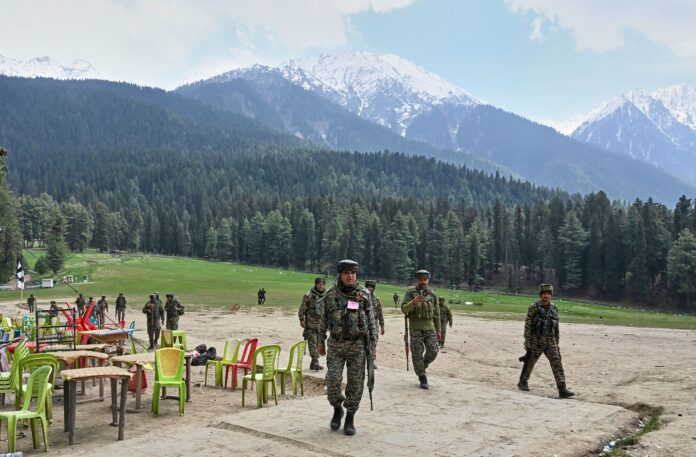
TCN News Desk
New Delhi: A tense pursuit has been unfolding in the dense and treacherous forests of South Kashmir over the past five days. Security forces have come “very close” to cornering the group of terrorists behind the April 21 massacre in Pahalgam's Baisaran meadow, but the elusive men have slipped through each time — “at least four times”...
‘You Are a Terrorist, a Murderer’: Kashmiri Students Face Rising Threats Across India Following Pahalgam Attack
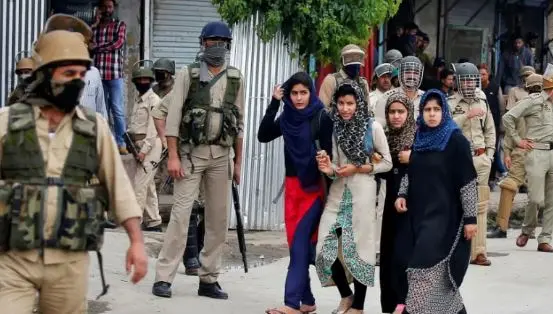
TCN News Desk
“You are a terrorist.” “You are a murderer.” “Get out, or we will deal with you.”
These threats have been directed at Kashmiri students and Muslims across Uttar Pradesh, Punjab, Haryana, Uttarakhand and West Bengal since the deadly terrorist attack in Jammu Kashmir's Pahalgam on April 22.
The repercussions have been severe. Some have lost their jobs, while others...
‘Terror isn’t just in Kashmir’: Kashmiri Students Facing Backlash After Pahalgam Attack
Unzila Sheikh, TwoCircles.net
Following the devastating terrorist attack at Baisaran meadows in Jammu Kashmir's Pahalgam that claimed 26 lives and left several others injured on April 21, Kashmiris across India have found themselves once again trapped under the weight of suspicion and hate.
As violence broke out on the ground, a parallel storm brewed on social media — fuelled by anti-Kashmiri...
Solapur: 12-Year-Old Innovator Pedals into Future with Solar-Powered Bicycle
Imran Inamdar, TwoCircles.net
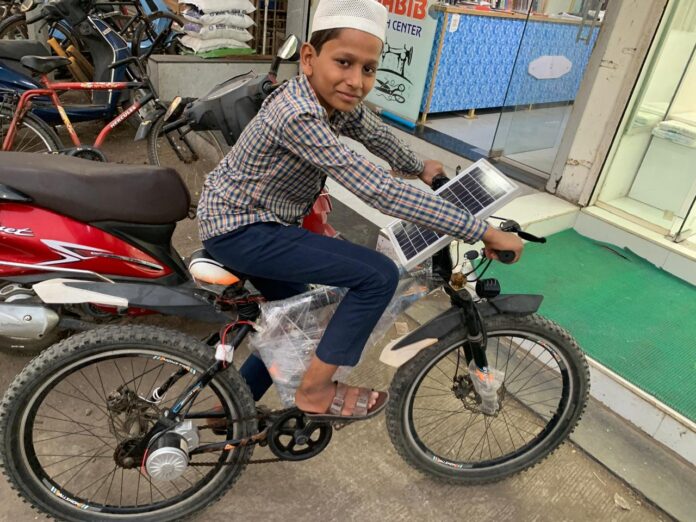
Solapur (Maharashtra): Brilliance knows no age. Twelve-year-old Abdullah Imran Mangalgiri is proof of that. He is turning heads across Maharashtra and the internet for building a solar-powered bicycle from scratch.
A student of Grade 7 at MA Pangal Urdu High School in Solapur, Abdullah has created a functional bicycle — which runs on solar energy, battery power and...
From Dalit Leader to ‘Hindutva Icon’, the ‘Transformation’ of Chirag Paswan
Sami Ahmad, TwoCircles.net
Chirag Paswan, the son of the late Ram Vilas Paswan — a stalwart Dalit leader — and Reena Sharma, a non-Dalit, seems to be rapidly shedding his image as a representative of Dalit politics and emerging as a vocal proponent of Hindutva. His public declaration of allegiance to Prime Minister Narendra Modi — calling himself “Modi ji...
Naseem Arfi Urdu Media Award: When Words Earn Recognition
By: Dr. Rushda Shaheen
Recently, I had the honour of being awarded the first-ever Naseem Arfi Urdu Media Award—an initiative of the Hyderabad-based non-profit organisation, CETI Foundation. Along with me, three other journalists received this recognition. Given that the Foundation’s work is primarily concentrated in the state of Telangana, the awards were divided into two categories: two for journalists from...
‘Unlike Other Days, Tourists Were More in Number’: Deadliest Civilian Attack Since 2003 Shakes J&K
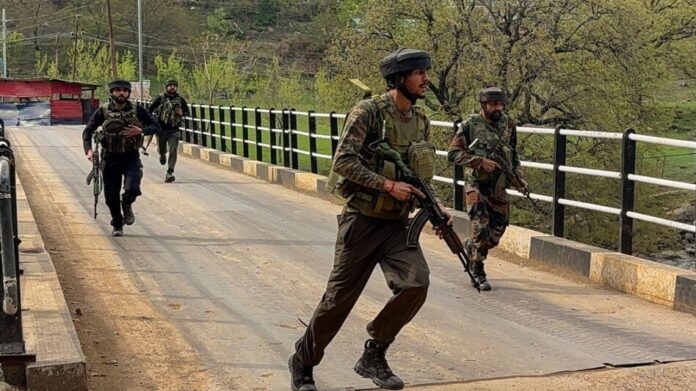
TCN Correspondent
Srinagar (Jammu and Kashmir): When Prime Minister Narendra Modi's government stripped the state of Jammu and Kashmir of its autonomy and split it into two Union Territories, placing it under direct control of the Centre, it claimed the region would transform from a “terror hotspot” into a “tourist hotspot". To a large extent, it did.
In just over three...
‘Is Medina built on Waqf land?’: Owaisi challenges PM Modi to ask Saudi crown prince
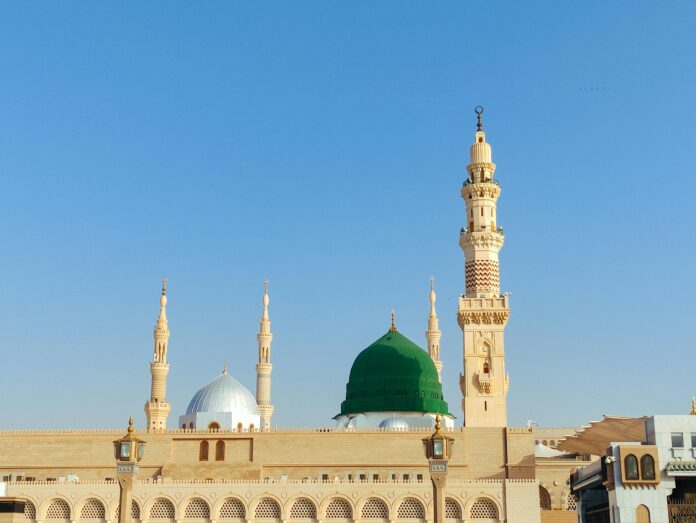
TCN News Desk
New Delhi: Asaduddin Owaisi, president of the All India Majlis-e-Ittehadul Muslimeen (AIMIM), took a direct jab at Prime Minister Narendra Modi during his address at the Save Waqf Conference at Delhi's Talkatora Stadium on Tuesday. Owaisi criticised the BJP's recent remarks about Waqf properties in Muslim countries and challenged PM Modi to inquire during his visit to...
‘SC Going Beyond Limits, Fuelling Civil Wars’: BJP’s Nishikant Dubey on Waqf Act Row
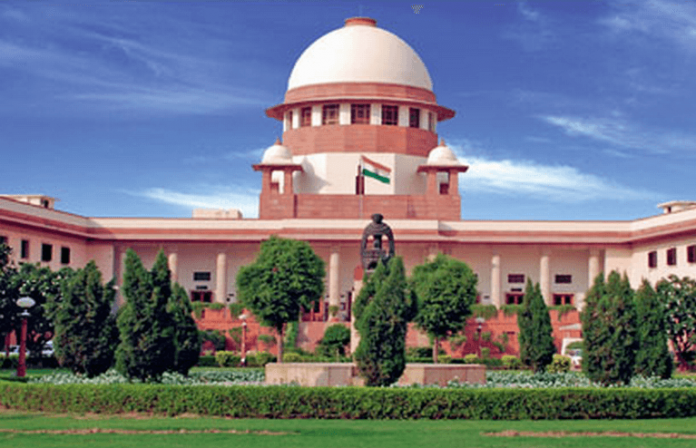
TCN News Desk
New Delhi: In a controversial critique of the judiciary, Bhartiya Janata Party (BJP)’s Lok Sabha MP Nishikant Dubey launched a scathing attack on the Supreme Court and Chief Justice of India (CJI) Sanjiv Khanna, alleging that the top court is overstepping its constitutional boundaries and is responsible for fuelling religious and civil unrest in the country.
“The top...
Trial Concludes in 2008 Malegaon Blast Case, Verdict Expected on May 8

TCN News Desk
Mumbai: Nearly 17 years after a deadly explosion shook the communally sensitive town of Malegaon in Maharashtra’s Nashik district, a special NIA court on Saturday concluded the trial in the 2008 blast case and reserved its judgement for May 8.
The blast, which occurred on September 29, 2008, killed six people and left over 100 injured when an explosive...
Men’s Suicides, ‘Abusive’ Laws, Legal Struggles: Are Gender-Neutral Legislations Need of the Hour?

Sana Kauser, TwoCircles.net
New Delhi: The recent suicides of Manav Sharma, Atul Subhash and Nishant Tripathi (son of a women’s rights activist) have ignited a debate on domestic violence against men and the alleged misuse of protective laws. These cases have also raised serious concerns about the lack of legal protection for men who experience harassment in marriages and relationships.
Legal professionals...
Kashmiri Man Held Hostage in Myanmar, Family Seeks Help

Tauseef Ahmad, Sajid Raina/TwoCircles.net
Srinagar: For many young Indians, securing a job offer from a foreign country is a dream come true, offering the chance to escape unemployment and build a brighter future. However, with the rise of fraudulent job offers, the dreams of many turn into nightmares.
This is the unfortunate reality for Faizan, a 27-year-old from Safakadal, Kashmir, who is...
Impact of Waqf (Amendment) Act, 2025: Potential Threats to Muslim Community’s Religious and Property Rights

Dr. Intekhab Alam
New Delhi: Days after its passage from both houses of Parliament following marathon debates, the Waqf (Amendment) Bill, 2025, got assent of President Droupadi Murmu to become a law.
The Lok Sabha (Lower House of Parliament) had cleared the contentious bill earlier on March 3 after 13-hour late night debate, with 288 MPs supporting and 232 against it....
‘Save Waqf, Save the Constitution’: AIMPLB Launches Nationwide Campaign Against Amendments
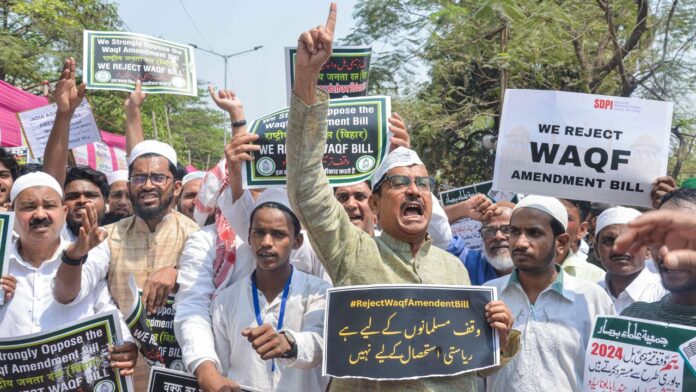
TCN News Desk
New Delhi: The All India Muslim Personal Law Board (AIMPLB) has announced to launch a nationwide campaign against the recent amendments to waqf laws passed by Parliament. The board had called them a direct assault on Islamic values, shariah and the constitutional principles of religious freedom and communal harmony. Declaring the move as part of a broader “communal agenda”, it...
Waqf Bill Sparks Poster War in Bihar: JD(U) Targets Lalu’s ‘Doublespeak’, RJD Accuses Nitish of ‘Betrayal’
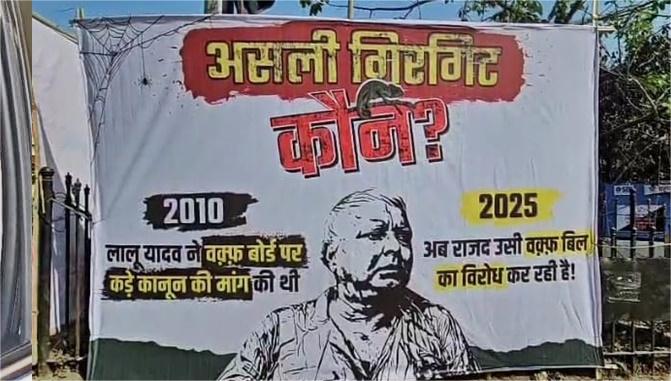
TCN News Desk
Patna: The political battle over the Waqf (Amendment) Bill has intensified in Bihar, with the ruling Janata Dal-United or JD(U) and Opposition Rashtriya Janata Dal (RJD) exchanging sharp barbs in a poster campaign ahead of the Assembly elections in the state.
A new poster appeared on the streets of Patna on April 5, questioning RJD leader Lalu Prasad Yadav’s...
‘No Muslim Leader Will Leave JD(U)’, Asserts Khalid Anwar; Shahnawaz Hussain Calls Waqf Bill a Win for Poor Muslims
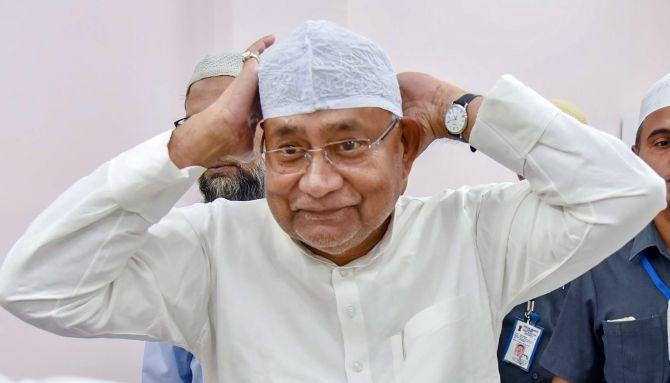
TCN News Desk
Patna (Bihar): The recently passed Waqf (Amendment) Bill, 2025, has sparked intense political debate and internal rifts within the state’s ruling Janata Dal (United) or JD(U). The bill, which – the government claims – aims to improve the administration and management of waqf properties in India, has led to the resignation of several JD(U) leaders who voiced...
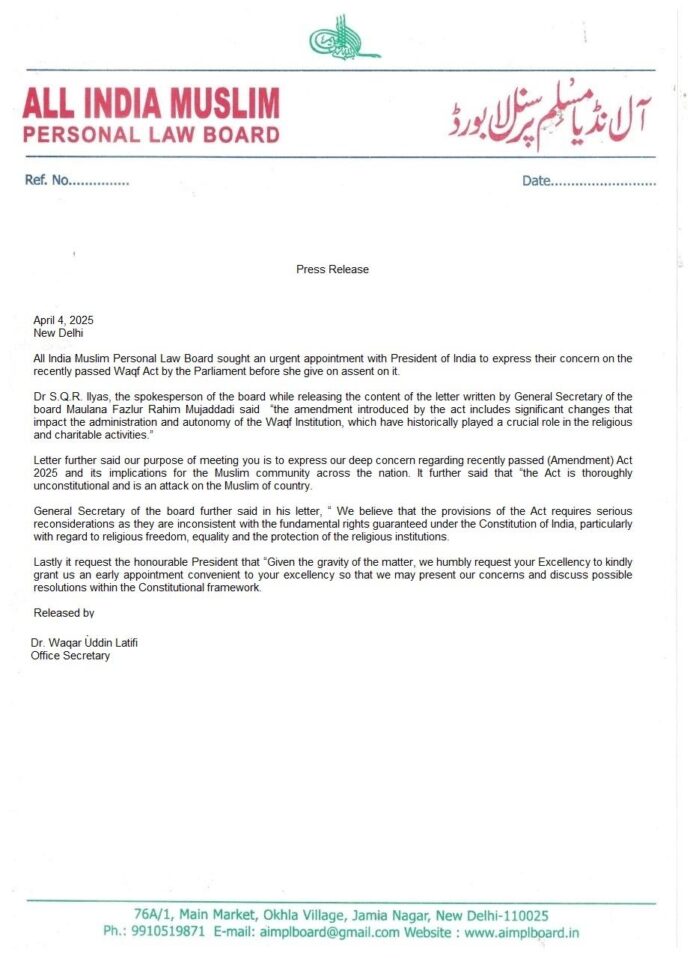
AIMPLB Seeks Urgent Meeting with President Murmu Over Waqf Bill, Calls Amendments ‘Unconstitutional’
TCN News Desk
New Delhi: The All India Muslim Personal Law Board (AIMPLB) has sought an urgent appointment with President Droupadi Murmu to voice concerns over the recently passed Waqf (Amendment) Bill, 2025. The board hopes to discuss the bill’s potential ramifications before it receives presidential assent.
AIMPLB spokesperson S.Q.R. Ilyas, in a statement released on April 4, detailed the contents of...
As Waqf Bill Awaits President’s Nod, AIMIM and Congress Move SC Against It
TCN News Desk
New Delhi: The contentious Waqf (Amendment) Bill, 2025, recently passed by both the Lok Sabha and Rajya Sabha, has been challenged in the Supreme Court. Hyderabad MP Asaduddin Owaisi, chief of the All India Majlis-e-Ittehadul Muslimeen (AIMIM), and Kishanganj MP Dr Mohammad Jawed, Congress party whip in the Lok Sabha, approached the top court, challenging the bill, which...
Opposition Slams Waqf Bill as Attack on Constitution, Democracy; Congress to Seek SC Intervention

TCN News Desk
New Delhi: The passage of the Waqf (Amendment) Bill, 2024, from both houses of Parliament following marathon debates has led to a fierce political and ideological battle, with strong reactions from across the political spectrum. The bill, which seeks to overhaul the management of waqf properties, has become a flashpoint for debate about democracy, minority rights and...
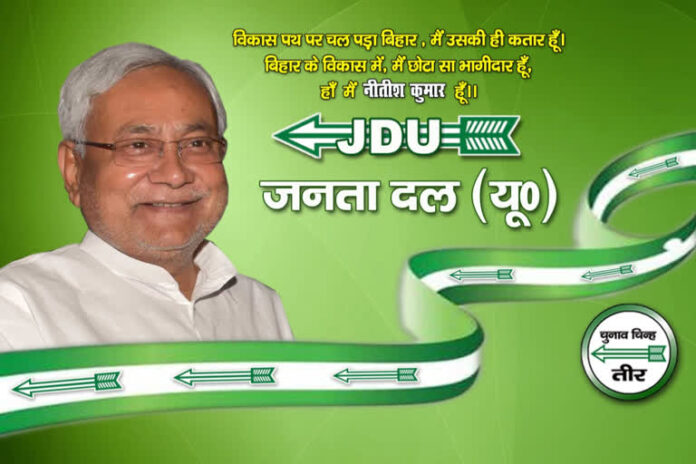
As Waqf Bill Set to Become an Act, JD(U) Faces Mass Resignations Over Support to Contentious Proposed Law
TCN News Desk
Patna (Bihar): A growing political crisis within Bihar's Janata Dal (United) or JD(U) has seen yet another resignation over the party's support for the controversial Waqf (Amendment) Bill, marking the fifth departure of a party leader from its ranks.
JD(U) leader Nadeem Akhtar resigned from the party, citing the outfit's backing of the Waqf Bill as the primary...
Who Said What During the Waqf Bill Debate in Lok Sabha
TCN News Desk
New Delhi: The Waqf (Amendment) Bill, 2024 was approved by the Lok Sabha on Wednesday, securing 288 votes in favor and 232 votes against. Alongside it, the Lower House of Parliament also passed the Mussalman Wakf (Repeal) Bill 2024, which repeals the Mussalman Wakf Act of 1923.
The ruling Bhartiya Janata Party (BJP)-led National Democratic Alliance (NDA) and...
‘All Show, No Substance’: Thackeray Slams BJP on Waqf Bill; Firangi Mahli, Yasoob Abbas Criticise Rahul’s Absence
TCN News Desk
Mumbai: Shiv Sena (UBT) leader Uddhav Thackeray on April 4 strongly criticised the BJP-led Union government, calling their handling of the Waqf (Amendment) Bill a case of “all show, no substance”. Thackeray, who has consistently opposed the bill, accused the BJP of “hypocrisy” and raised concerns about their “plans to give lands to businessmen friends”.
Speaking at a...
Waqf Bill Introduced in Rajya Sabha: Govt Hails ‘Reform’, Opposition Calls It an Assault on Constitution
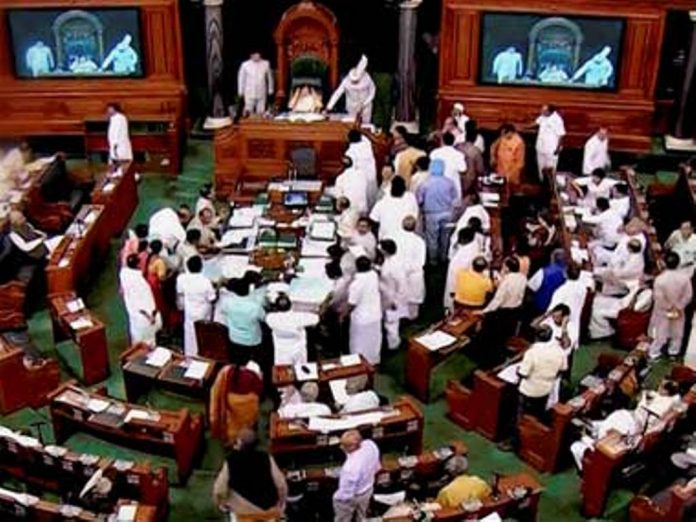
TCN News Desk
New Delhi: The Waqf (Amendment) Bill, 2024, has triggered intense debate and divided opinions in political circles as it was presented for consideration in the Rajya Sabha (Upper House of Indian Parliament) on April 4, following its passage in the Lok Sabha (Lower House) the previous day.
Seeking to amend the Waqf Act of 1995, the bill aims...
OBC Scholars Struggle with Delayed Fellowships: A Saga of Financial Hardships, Mental Strain Amid Unpaid Grants

Poonam Masih, TwoCircles.net
New Delhi: Anupama, a research scholar from the Hindi Department at Visva-Bharati University in West Bengal's Shantiniketan, has not received her fellowship for the past nine months. She enrolled in the Ph.D. program in 2022, relying upon the financial support from the government.
"The last time I received my fellowship was on May 21, 2024. Every month, I...
Why This Time, ‘Premchand’s Hamid’ Won’t Go to the Eidgah
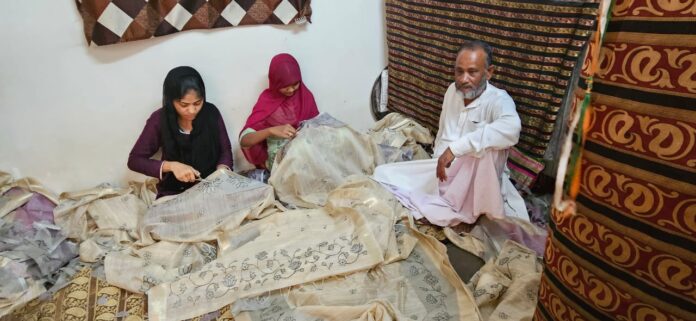
Aradhana Pandey, TwoCircles.net
Varanasi (Uttar Pradesh): Hamid will not go to the Eidgah this year. He will not buy a tong for his grandmother, nor will he stop at the toy shop. His pocket does not hold any paisas or annas, but instead, he carries a heavy realization — of inflation, unemployment and the helplessness of the weaver community.
Instead of...
Ramzan Far From Home – Indian Muslims in the Gulf
Special Correspondent, TCN
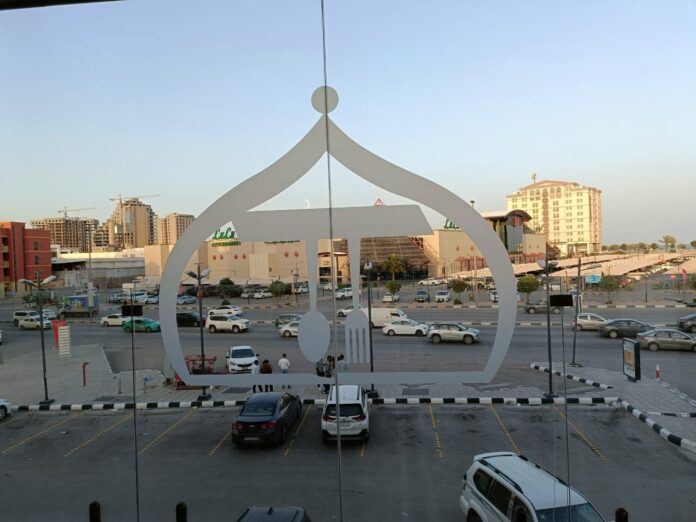
Dammam (Saudi Arabia): For the past three years, the month of Ramzan in the Arabian Peninsula has coincided with the winter season, making it somewhat easier for the rozedars (those who are observing fast) compared to the extreme heat that usually prevails in the region.
TwoCircles.net spoke to people from different walks of life to learn how they...
‘Saugat-e-Modi’ Initiative: ‘Deceptive If Not Fraudulent’
Sami Ahmad, TwoCircles.net
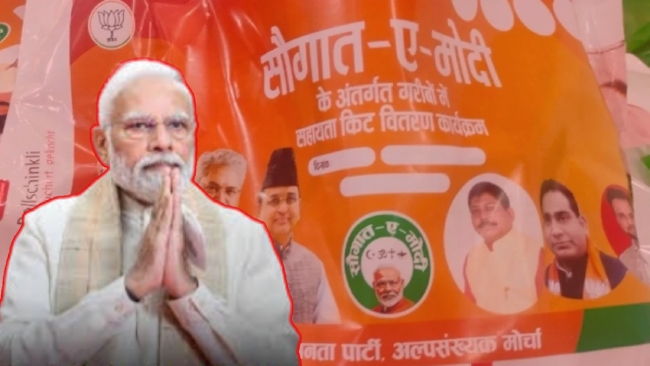
Patna: A group of poor Muslim women gathered at the Mazar near Patna High Court to receive the much-anticipated ‘Saugat-e-Modi’ on March 27. However, their excitement quickly turned to frustration, with many exclaiming, "Yeh kya diya hai (what have they given us)?"
One of the women said, “The sari costs Rs 100 and the lungi is worth Rs...
‘Attack on India’s Soul’: Lalu Slams Waqf Bill; Patna Witnesses Massive Protest
Sumit Singh, Syed Abubakr/TwoCircles.net
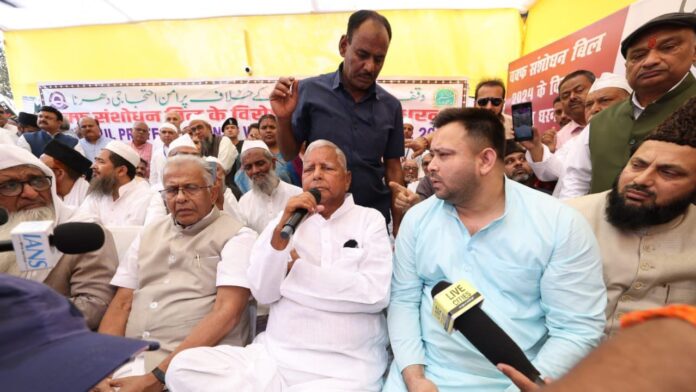
Patna: Former Bihar Chief Minister Lalu Prasad Yadav described the Waqf (Amendment) Bill 2024 as an assault on India's constitutional values and religious freedoms. His strong condemnation of the proposed legislation set the stage for a massive protest in Patna's Gardanibagh area, where thousands gathered on March 26 to voice their opposition to the controversial Bill.
Organised...
Ramadan in Jamia Nagar: How Local Mosques Are a Lifeline for Students and Professionals at Iftar
Mohammad Aatif Ammad Kanth, TwoCircles.net
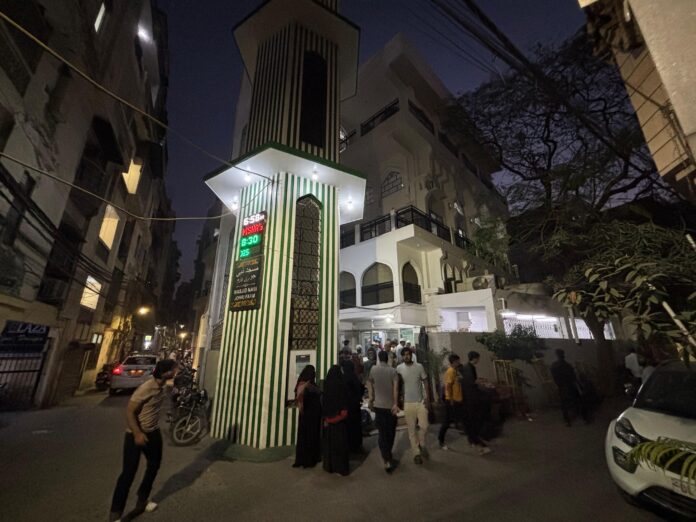
New Delhi: Junaid Ahmed, an M.Tech student from Kashmir studying at Jamia Millia Islamia, is observing Ramadan for the first time away from home in the national capital. Living in a rented flat with friends, he had no qualms about spending the holy month outside Kashmir.
However, what concerned him most was that his exams were...
UP: Controversial Arrests of Muslim Minors in Varanasi Spark Legal Concerns
Pavan Kumar Maurya, TwoCircles.net
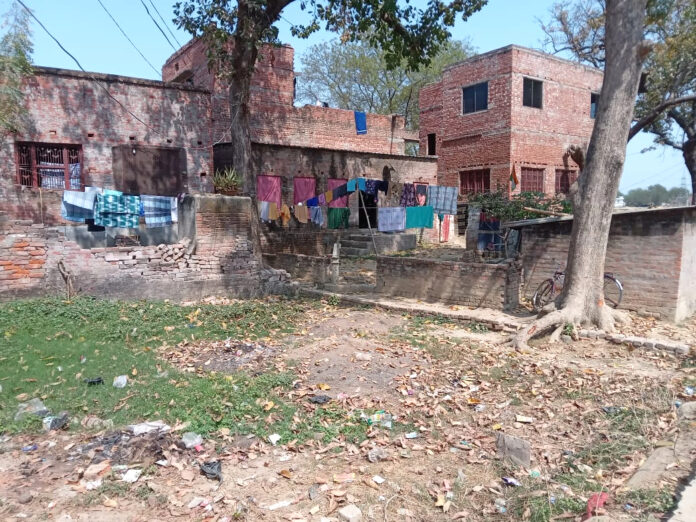
Varanasi (Uttar Pradesh): Eleven Muslim minors, aged between 11 and 15 years, at Tadiya village under Varanasi's Lohata police station threw stones at streetlights while playing on March 4. It resulted in the bulbs breaking and damaging the rooftops and doors of nearby houses. The incident went viral after a video of it spread on social...
Dalit-Muslim Unity Shines at Historic Chavdar Talab with Iftar Gathering on Samta Diwas
Imran Inamdar, TwoCircles.net
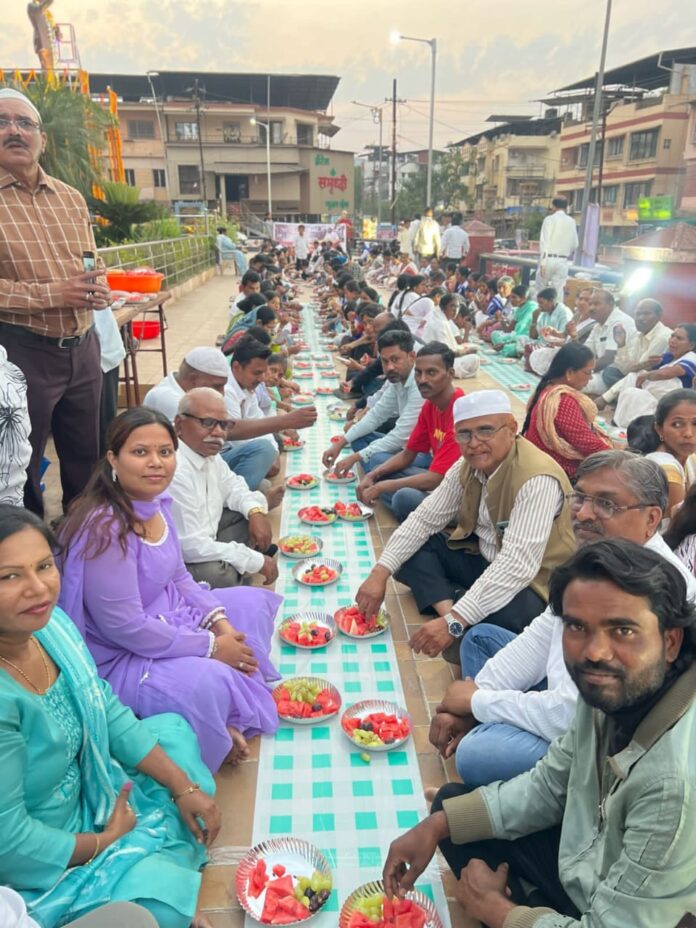
Mahad, Raigad (Maharashtra): Historic Chavdar Talab in Mahad became the venue for an expression of communal harmony and social unity on March 20 when members of the Muslim community, along with Mahad and the Mulnivasi Muslim Manch from Pune, organised an iftar gathering at the Dr. Babasaheb Ambedkar National Memorial.
Held in honor of Dalit visitors attending the annual...
From the Land of ‘Gangs of Wasseypur’, Ekhlaq Gets Top Rank in GATE
Sami Ahmad, TwoCircles.net
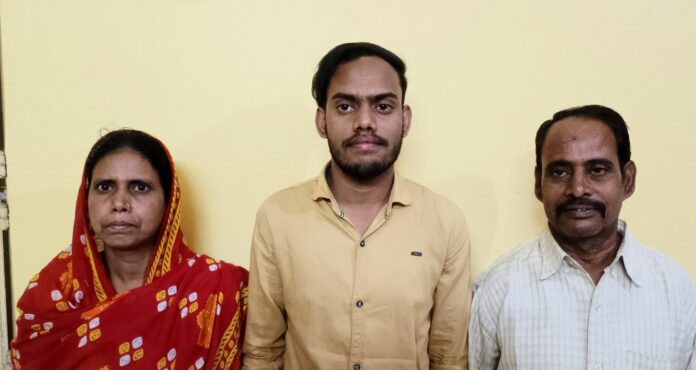
Patna: On March 19, Ekhlaq Sarwer, a B.Tech. (Mining) student, received his Eid gift a little earlier this year. He secured an impressive All India Rank of 4 in Graduate Aptitude Test in Engineering (GATE) 2025.
GATE is widely regarded as the key to securing admission to postgraduate courses in India’s top engineering colleges and opens doors to...
Bhopal: Young Muslim Killed for Exposing ‘Saffron Love Trap’
Mariyam Usmani, TwoCircles.net
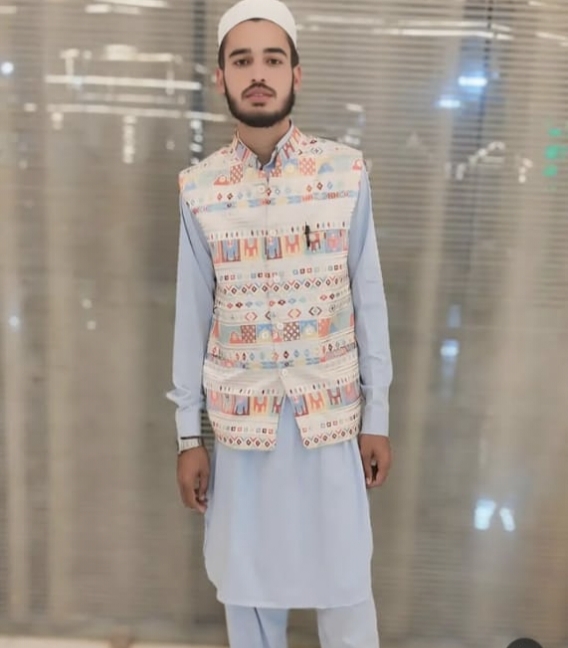
Adnan, a 22-year-old mechanic, was resting after iftar when one of his acquaintances Raj allegedly lured him outside under the guise of a friendly conversation. It was the evening of March 3, and no one in Adnan’s family, nor the residents of Gandhinagar locality in Bhopal, could have ever imagined that this young Muslim man would be...
A 186-Year-Old Legacy: Lucknow’s Iftar Feast that Unites Thousands
Abdul Alim Jafri, TwoCircles.net
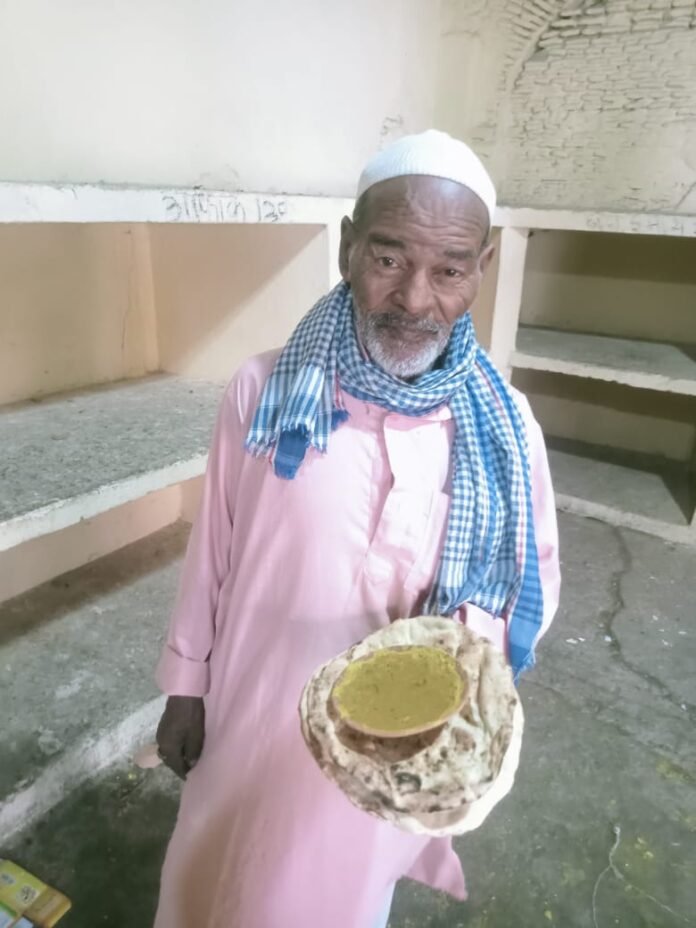
Lucknow: A timeless Nawabi tradition of the city continues to bring people together across faiths and backgrounds. Upholding a spirit of unity and generosity during Ramadan, the Hussainabad Trust’s ‘Shahi Bawarchi Khana’ (kitchen) has been serving iftar to nearly 1,600 people every day for over 186 years.
With no restrictions on who can join, this feast welcomes...
Patna: Muslim Organisations Boycott Nitish’s Iftar Party Over JD(U)’s Support to Waqf Bill
Sami Ahmad, TwoCircles.net
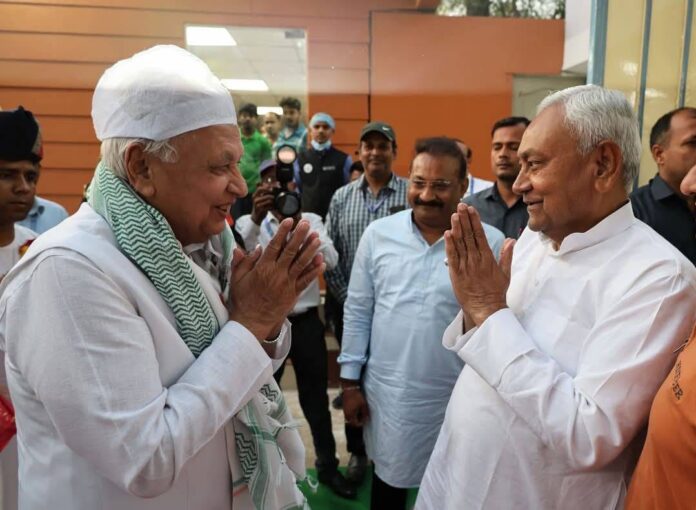
Patna: Eight major Muslim organisations have not only boycotted the iftar gathering hosted by Bihar Chief Minister Nitish Kumar on Sunday but also urged fellow rozedars (fasting Muslims) to refrain from attending it in protest against the Janata Dal (United) support to the Waqf (Amendment) Bill, 2024. The Bill is set to be presented for passage in...
How Zakat is Transforming Lives and Building Stronger Communities During Ramadan
Asad Shaikh, TwoCircles.net
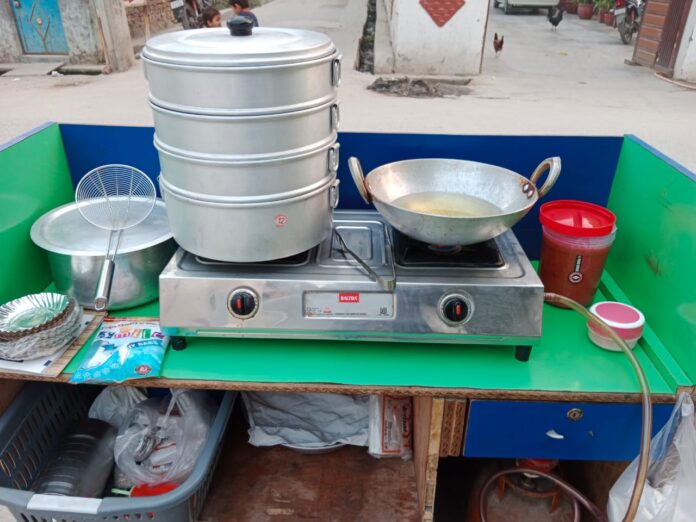
New Delhi: Amidst the spiritual practices of Ramadan, there lies a powerful act of compassion — zakat (charitable giving). More than just a religious obligation, this act of wealth purification brings hope and transformation to those who need it most. It is a practice of sharing a portion of one’s wealth, not just as charity, but as...
Why Azan Once Resonates at Varanasi’s Red Church During Ramadan
Aradhna Pandey, TwoCircles.net
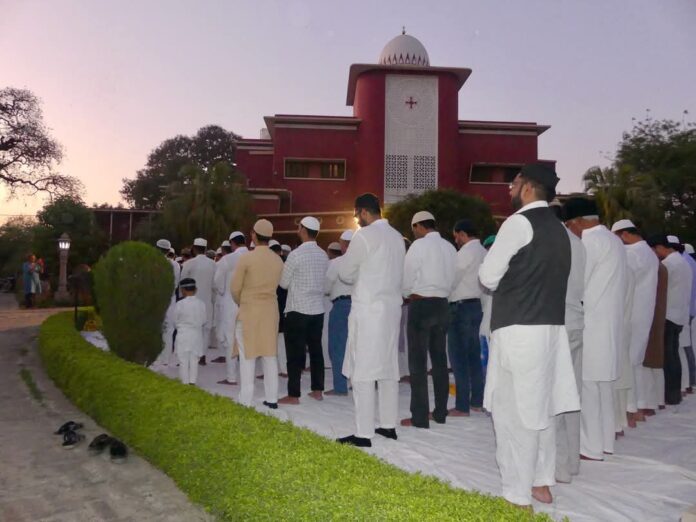
Varanasi (Uttar Pradesh): The Bishop House in Varanasi, also known as the Red Church, is more than just a building of bricks and stones. It is a living symbol of humanity, resonating with the melody of love and unity. Each year, this historic church hosts an event that transcends religion and caste, becoming a celebration of shared...
Kashmir’s ‘Sahar Khans’: The Timeless Drummers Keeping Ramadan Tradition Alive in the Digital Age
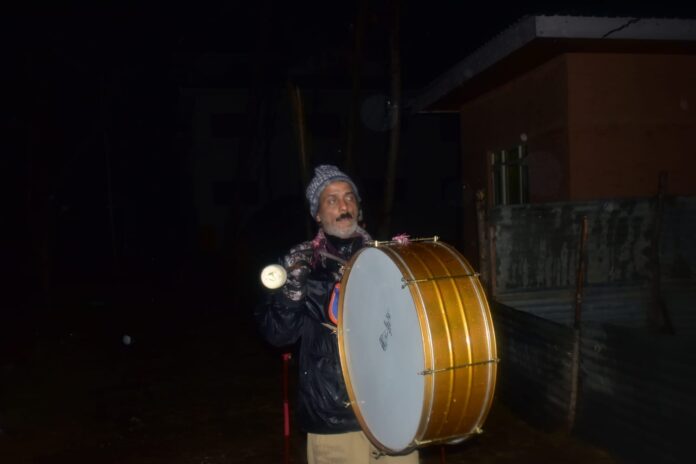
Tauseef Ahmad, Sajid Raina/TwoCircles.net
Srinagar: As Kashmir valley sleeps beneath a blanket of stillness, a steady rhythm begins to echo through the streets in the early hours of Ramadan. The drumbeats of the Sahar Khans, the traditional drummers, break the silence, serving as the human alarm clocks that awaken Muslims for their pre-dawn meal (sehri). Despite the prevalence of modern...
Telangana: Hyderabad Activists Appeal to CM to Cancel the Grand Dawat-e-Iftar and Direct Funds to Minority Welfare
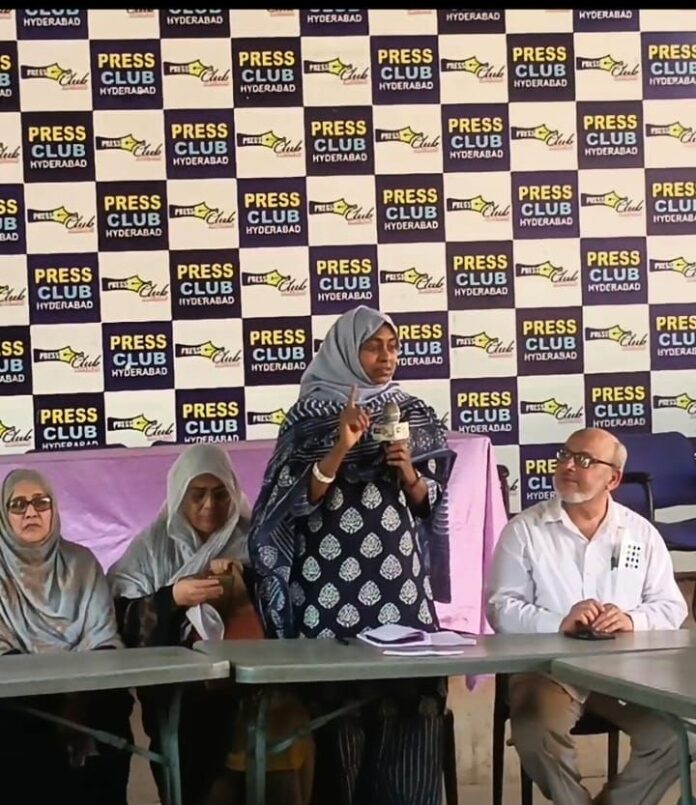
TCN Staff
Hyderabad: Telangana's Chief Minister Revanth Reddy is set to host the official annual Dawat-e-Iftar for 2025 at the LBS stadium, with a staggering budget of Rs 70 crore. This has sparked protests controversy, with people asking the government to avoid wastage of funds and use it for minority welfare.
Prominent among those are opposing the move are Dr. Lubna...
Amid Rising Divides, a Hindu Woman Serves Iftar at Jama Masjid, Spreading Unity
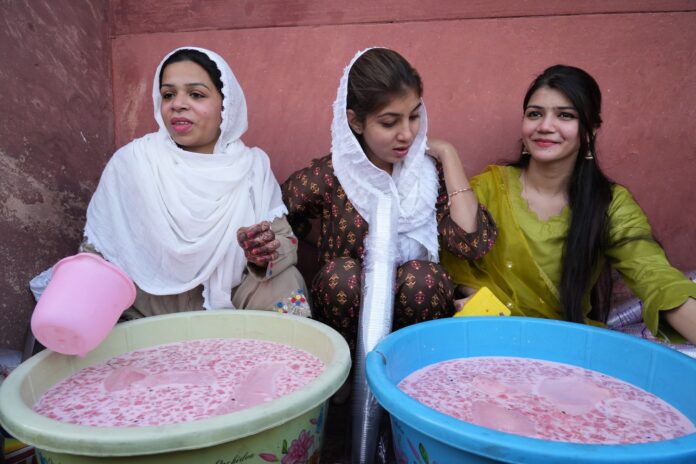
Farheen Saifi, TwoCircles.net
New Delhi: A quiet but powerful act of inclusivness unfolds every evening during Ramadan at historic Jama Masjid in the national capital. Every evening during the holy month of Ramadan, a Hindu woman prepares and distributes iftar meals to those in need.
Dressed in a lime-green outfit with a dupatta over her head, Neha Bharti stands alongside people...
Meals Like Home: Pulwama’s Afiqa Ali Feeds Hundreds During the Holy Month of Ramadan
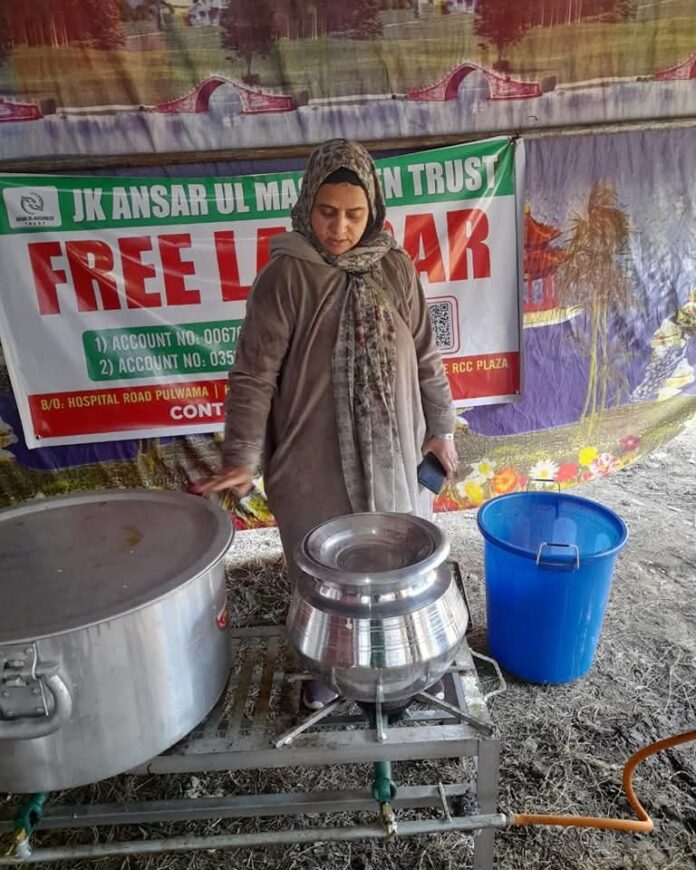
Tauseef Ahmad, Sajid Raina/TwoCircles.net
Pulwama: Aarif, whose mother was admitted to a hospital in the city, was in a rush as iftar time approached. Having spent the entire day with his ailing mother at the hospital and with nothing to breakfast, he managed to buy some dates outside. As he walked by, he noticed a crowd gathered near the canteen....
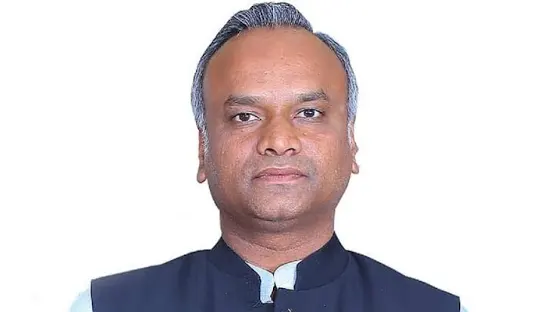
Priyank Kharge Slams BJP’s Priorities Over Nagpur Violence, Says They’re Fixated on Aurangzeb While World Talks AI
TCN News
Bengaluru: The violence that erupted in Nagpur, Maharashtra, over the tomb of Mughal emperor Aurangzeb has stirred a war of words between Karnataka's Congress and the Bharatiya Janata Party (BJP). The Congress has criticised the objections raised regarding the grave's existence, while the BJP insists that maintaining it goes against the nation's interests.
During a press interaction at Vidhana...
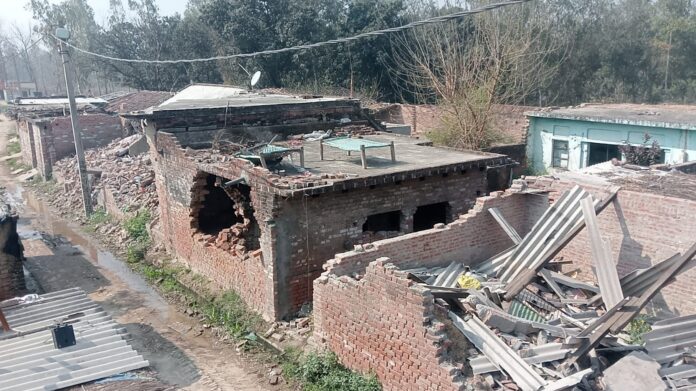
Bareilly: Survivors of July 18 Communal Violence Return to the Rubble of Their Homes – A Ground Report
Abdul Alim Jafri, TwoCircles.net
Bareilly (Uttar Pradesh): As the bulldozer demolished and reduced Noor’s home to rubble, she stood frozen, watching everything her father had built with years of sweat and sacrifice vanish within minutes. The Bareilly district administration’s action did not just take away her home — it shattered her dreams and every hope she had nurtured in it.
The...
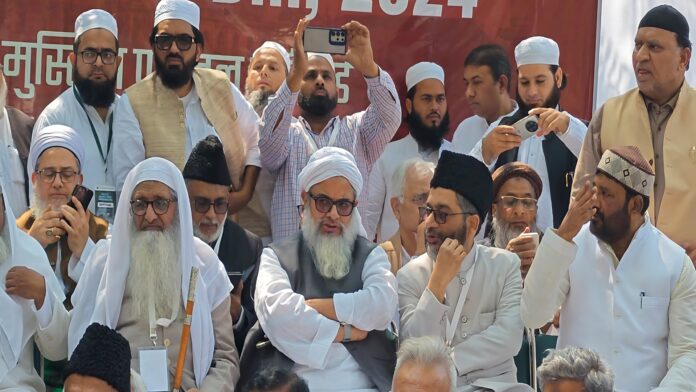
Photo Story: AIMPLB Holds Protest Against Waqf Amendment Bill 2024 at Jantar Mantar
Sheikh Muhammad Abul Lais, Sidra Fatima/TwoCircles.net
The All-India Muslim Personal Law Board (AIMPLB) staged a protest at Jantar Mantar in New Delhi on March 17 against the Waqf (Amendment) Bill 2024, calling for its withdrawal. The protest was attended by more than thousand people, including women. This photo story aims to chronicle the voices of the protesters.
The protest was attended...
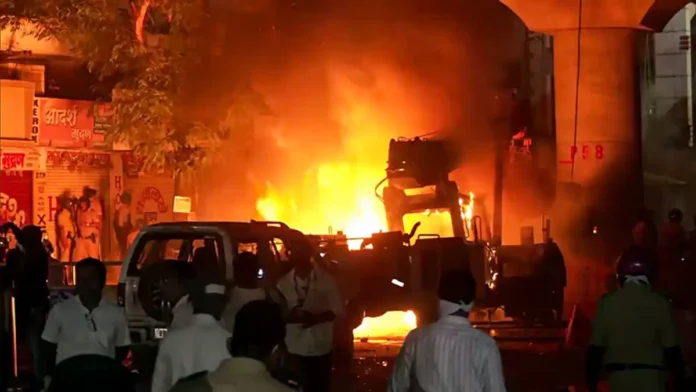
Nagpur Erupts in Violence Over Aurangzeb Grave Row, Quran Desecration ‘Rumour’; Curfew Imposed
TCN News
Mumbai: Nagpur witnessed violent clashes between two groups following the ongoing controversy surrounding the demolition of Mughal emperor Aurangzeb’s grave in Sambhajinagar. Stone pelting and arson were reported. It led to police deployment across the city to maintain law and order.
According to police sources, a protest was staged at the district collector’s office in the afternoon. During the...
‘Muslims Will Not Forgive’: Massive Protest at Jantar Mantar Against Modi Govt’s Waqf Amendment Bill
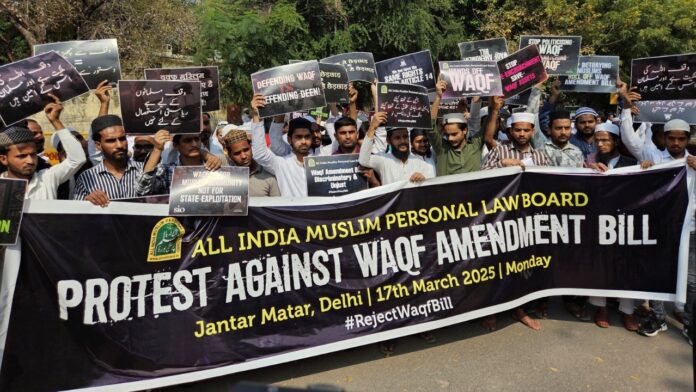
Syed Abubakr, Sumit Singh/TwoCircles.net
New Delhi: Thousands gathered at the city's Jantar Mantar on March 17 to voice their opposition to the Waqf (Amendment) Bill, 2024, with some protestors declaring that Muslims will not forgive if the bill is passed. Members of the All India Muslim Personal Law Board (AIMPLB), which called for the agitation, rallied against what they describe...
Amreli Sexual Assault Case: Two Minor Muslim Girls Harassed At Govt School
Mariyam Usmani, TwoCircles.net
Two minor Muslim girls, Zainab*(8) and Safeena*(10), who joined the Bharat Nagar primary school with a bundle of beautiful hopes, never thought that a teacher could sexually abuse them for straight eight days. The injured Zainab was one day found by the family members sobbing in a corner. Following inquiry, they came to know about the alleged...
The Waning Zardozi of Varanasi: Shadows Over a Heritage, Restless Muslim Artisans – Ground Report
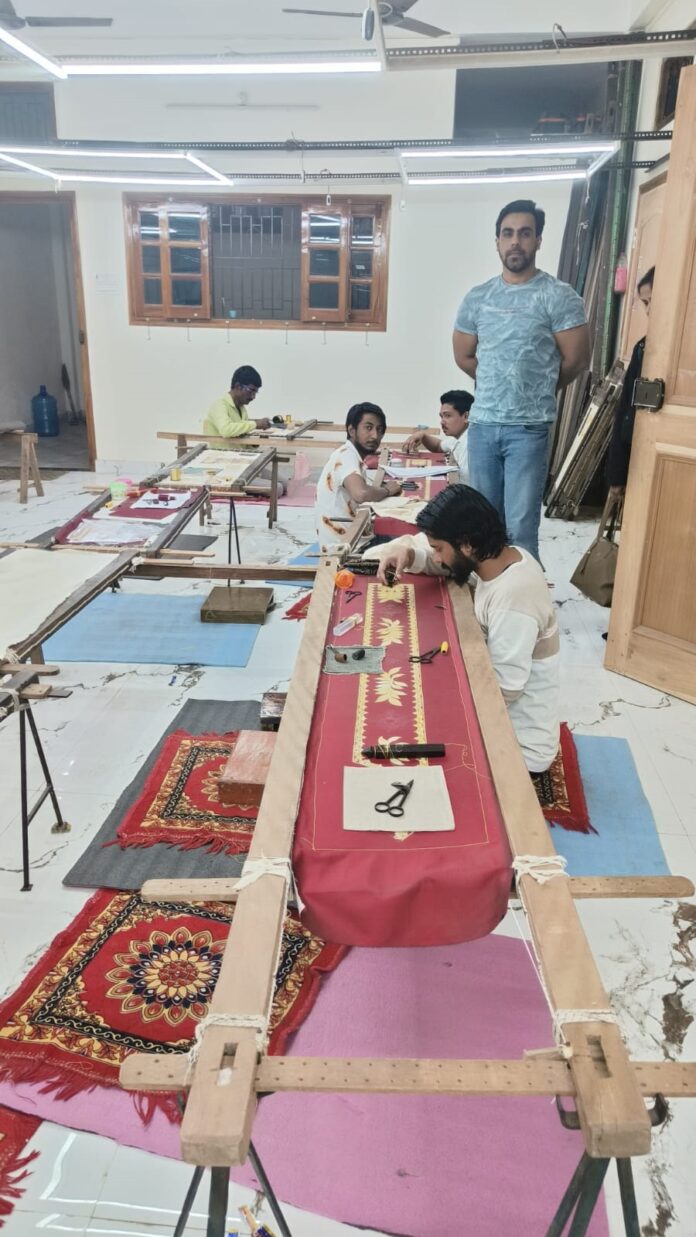
Aradhna Pandey, TwoCircles.net
Varanasi (Uttar Pradesh): The needles of Zardozi once wove miracles in the alleys of Varanasi. The craftsmanship that emerged from golden and silver threads adorned royal garments, religious attire and regal artifacts for centuries. However, today, those needles have come to a halt, the grip of the fingers loosening and an unspoken restlessness lingers in the artisans'...
House Demolished Before Trial Concluded: Former BJP Leader and Sons Acquitted After False Rape Charges
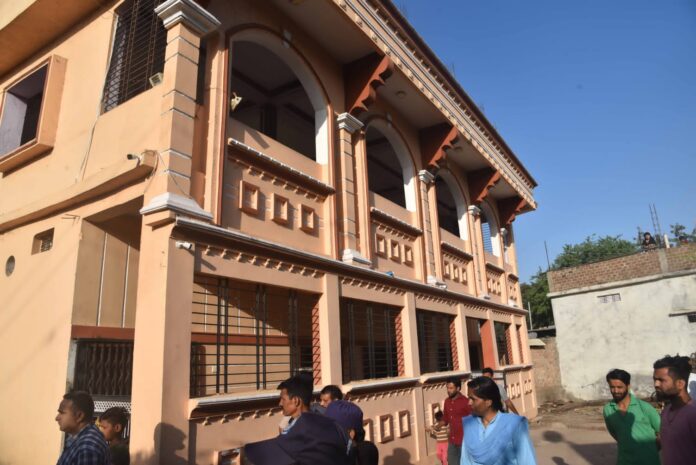
Abdul Wasim Ansari, TwoCircles.net
Bhopal: Even before the judicial process could run its course, the house of Shafiq Ansari, a former leader of the ruling Bharatiya Janata Party (BJP) in Madhya Pradesh's Rajgarh was demolished on mere accusation of his involved in a rape case that later turned out to be false.
A resident of Sarangpur, Shafiq, along with his two...
Debate on Name Changes Reaches Delhi Assembly: BJP Leaders Push for Renaming Localities
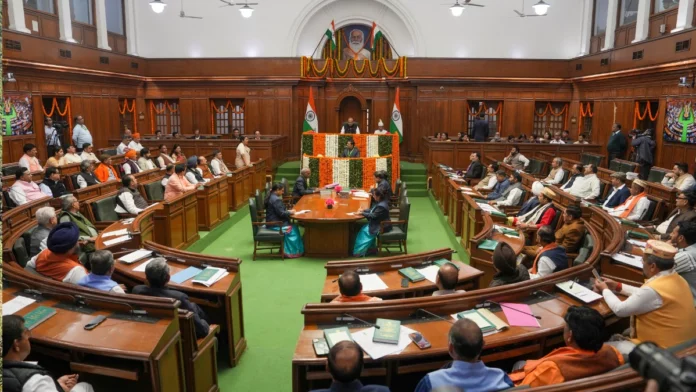
Asad Shaikh, TwoCircles.net
New Delhi: The discussion about changing names, which began before the Delhi Assembly elections, has now reached the floor of the assembly. Mohan Singh Bisht, the Bharatiya Janata Party (BJP) MLA from North-East Delhi's Mustafabad, had suggested changing the name of his constituency. Taking a cue from him, now Neelam Pahalwan, the MLA from Najafgarh, and Anil...
Delhi: Despite SC Ruling, Education Still Remains Uncertain for Rohingya Children
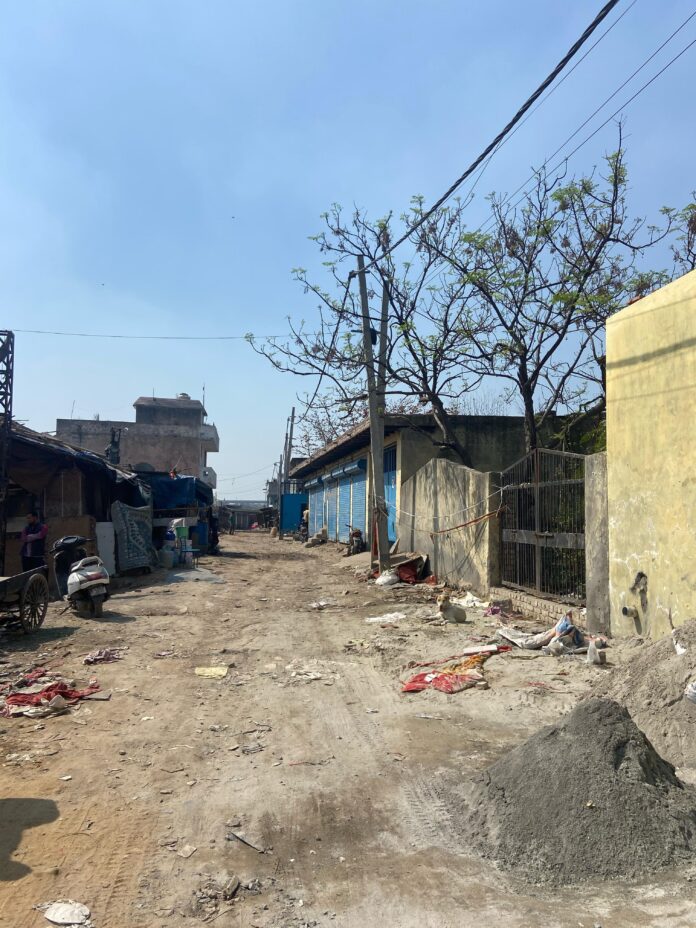
Maryam Hassan and Zaina Shahid, TwoCircles.net
New Delhi: "If I go to school, can I play football?” asked a 15-year-old boy wearing a faded Ronaldo T-shirt at the Rohingya Refugee camp in Southeast Delhi's Kanchan Kunj locality. While the question seems simple, the answer is complicated by a web of court rulings and policy debates that have become obstacles to...
Patna: Tejashwi Praises Ganga-Jamuni Tehzeeb at Iftar Event, Stresses Communal Harmony
TCN News
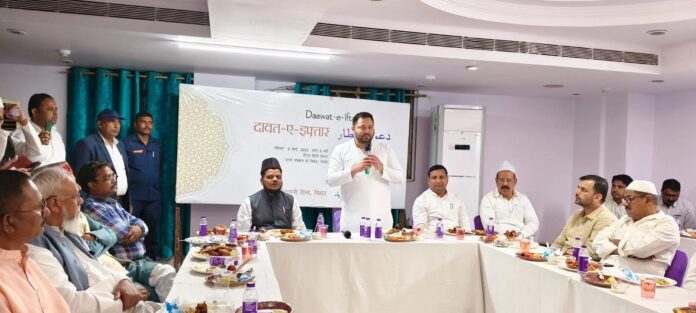
Patna: Rashtriya Janata Dal (RJD) leader Tejashwi Prasad Yadav, who also the Leader of the Opposition in Bihar, on March 11 praised India’s Ganga-Jamuni Tehzeeb (inclusive culture), emphasising the role of iftar gatherings and Ramadan fasting in fostering communal harmony.
Addressing an iftar event organised by Jamaat-e-Islami Hind, Bihar, at a hotel in the state capital of Patna, Yadav...
Jamia Millia Islamia Fails to Fully Comply with Delhi HC Order, Continues to Bar 10 Suspended Students
Unzila Sheikh, TwoCircles.net
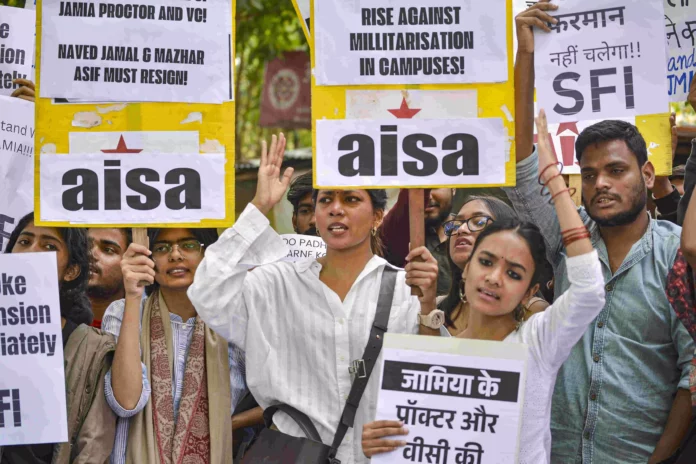
New Delhi: Despite the Delhi High Court's order on March 4 staying the suspension of 17 Jamia Millia Islamia (JMI) students, the university administration has not fully complied with the ruling. While seven of the suspended students who signed the petition have been allowed to attend classes, the remaining ten are still barred from doing so. This...
Alwar: How Police Raided a Muslim Family’s Home, Crushed Its Youngest Member to Death
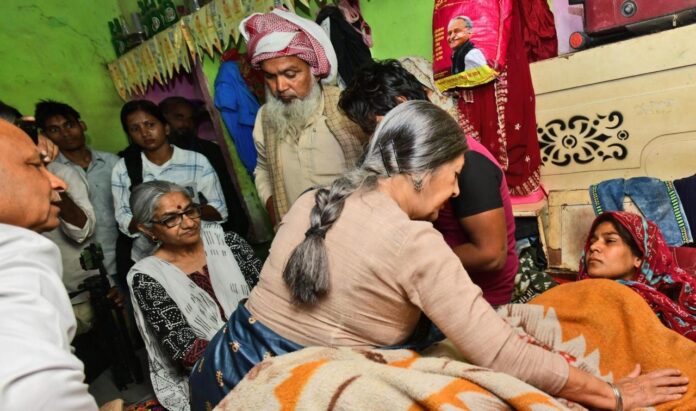
Sumaiya Ali, Maariyah Siddique/TwoCircles.net
Alwar (Rajasthan): The death of an infant during a police raid in a small village of Rajasthan's Alwar district has sparked an outrage. Family members allege that the one-month-old infant, Alishba, was peacefully sleeping in her cot when she was stepped on by police officers, resulting in her death on the spot.
Following the incident, villagers took...
How False Accusations of Having Links with Al-Qaeda Upended a Muslim Cleric’s Life
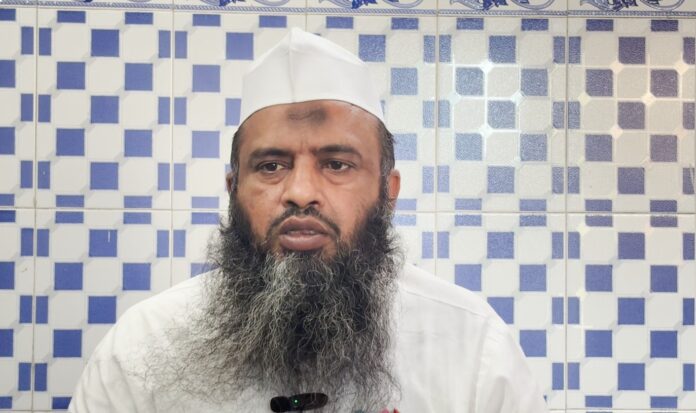
Shahzeen Khan, TwoCircles.net
Ranchi: Arrested as a terror suspect, a Muslim cleric in Jharkhand has recently been acquitted of all charges after nearly a decade-long legal battle.
Maulana Kalimuddin Mujazahiri was arrested in 2016, along with two others, for alleged links to Al-Qaeda in the Indian Subcontinent (AQIS). On February 28, 2025, a district court in Jamshedpur dismissed all charges against...
Fatehpur Sikri: A Glimpse into Akbar’s Lost Capital and Struggle to Preserve Mughal Grandeur
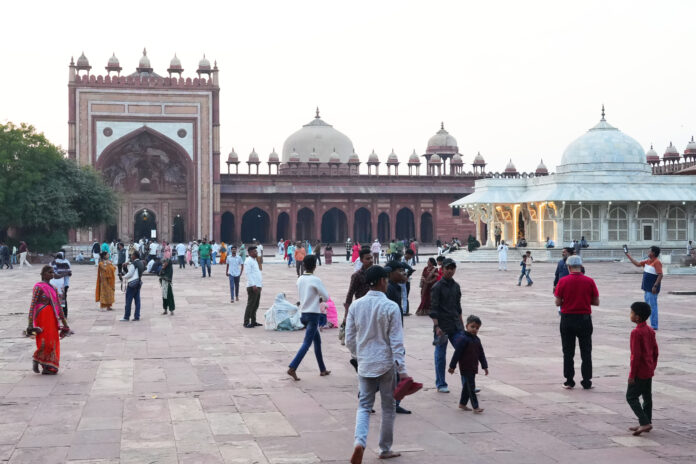
Farheen Saifi, TwoCircles.net
Agra (Uttar Pradesh): It was around 4 PM on February 16 when a man in a round cap and a muffler stood near the entrance of Fatehpur Sikri fort, waiting for tourists. His name is Mohammad Chaand, though many call him "Bharat Sarkaar". A tourist guide for the past 30 years, he has dedicated his life to...
Lynchings as the New Normal? The Hidden Crisis of Mob Violence and Muslim Persecution in India
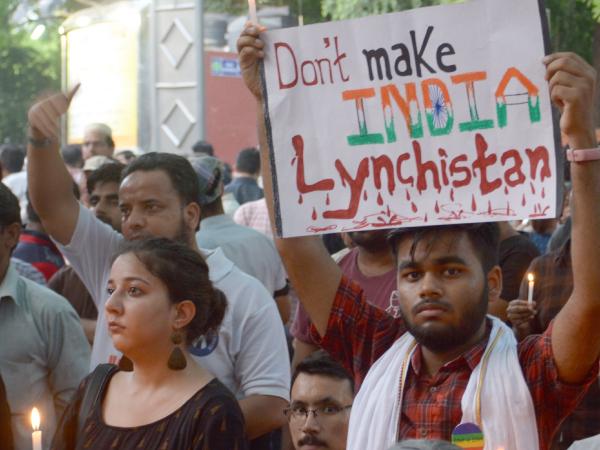
Tarique Anwar, TwoCircles.net
The rising tide of mob violence in India, particularly against Muslims, has shattered the illusion of safety and justice. What was once sporadic has now become systemic, with lynchings and targeted harassment occurring across the country. These incidents, fueled by hate and emboldened by state inaction, paint a grim picture of modern India — where communal violence...
From Celebration to Fear, How Festivals Are Being Weaponised for Communal Polarisation
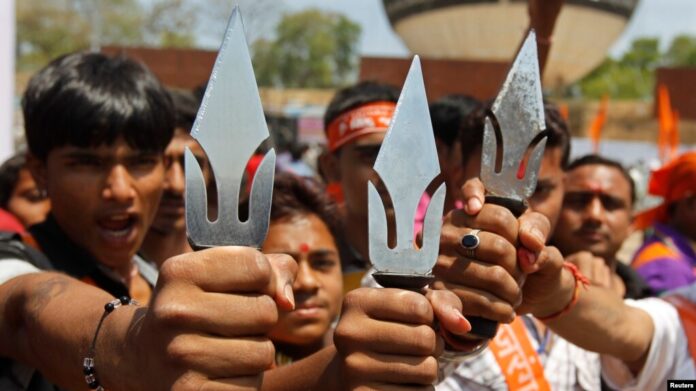
Maariyah Siddique, TwoCircles.net
Religious festivals in India, particularly Ram Navami and Hanuman Jayanti, have in recent years increasingly become platforms for asserting "dominance and spreading fear", particularly targeting Muslim communities. What once were occasions for celebration of faith have now allegedly been weaponised to stoke communal tensions, fuel violence and deepen societal divisions.
This alleged shift has been driven not just...
Caught on Camera: MP Cops Assault, Parade Two Muslim Men Over Cow Slaughter Allegations
Abdul Alim Jafri, TwoCircles.net
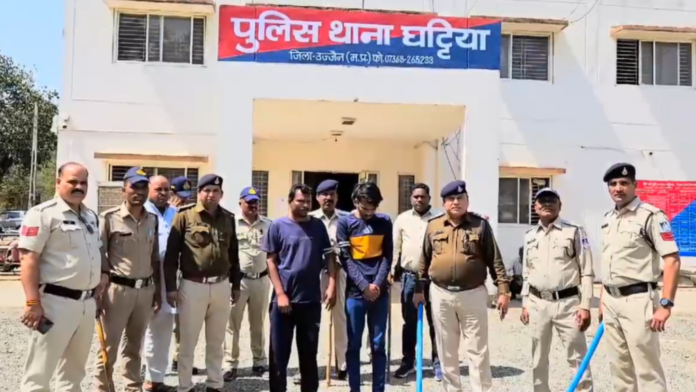
Bhopal (Madhya Pradesh): Two Muslim youths in Madhya Pradesh’s Ujjain district were allegedly assaulted by a group of police officers, who then paraded them through a crowded street for almost a kilometre and forced them into chanting, "Gaay Hamari Mata Hai, Police Hamara Baap Hai (The cow is our mother, and the police are our father)."
Caught...
Hate Speech or Misinterpretation? Kerala BJP Leader’s TV Debate Leads to Legal Battle
Quamar Equbal, TwoCircles.net
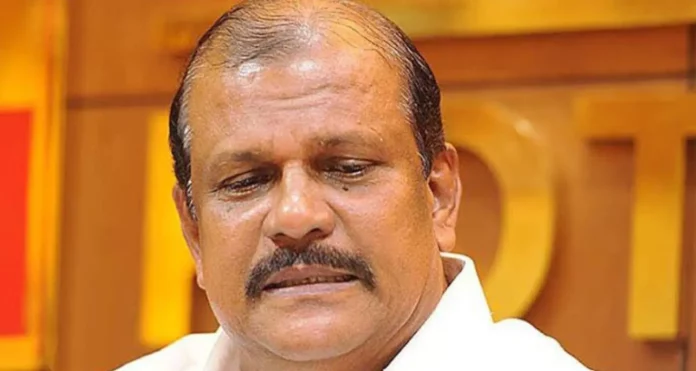
New Delhi: Kerala BJP leader Plathottathil Chacko George is under fire for allegedly making inflammatory and hateful comments against the Muslim community during a televised debate. The show, aired on January 5, 2025, on Janam TV, a Malayalam news channel, garnered millions of views. Unapologetic for his remarks, 74-year-old defended himself, claiming that his comments were “misinterpreted”.
“It...
‘They wanted to incite riots’: Hindutva mob targeted Muslim shops in Bihar’s Samastipur during Maha Shivratri
Mariyam Usmani, TwoCircles.net
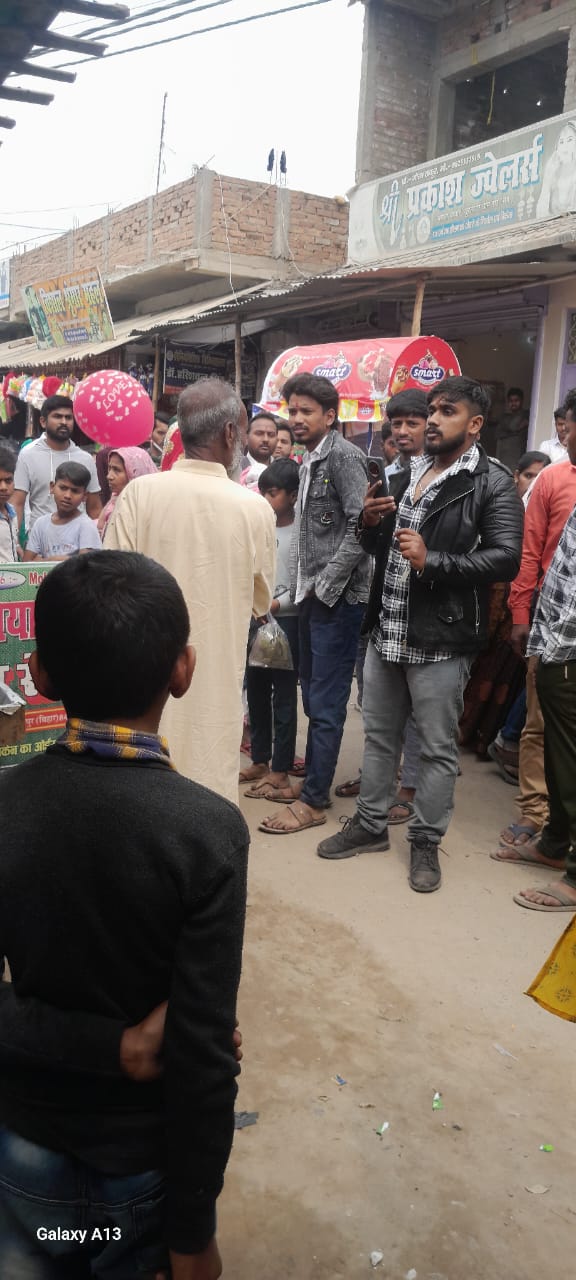
The city of Samastipur in Bihar witnessed horrific incidents of communal outbreak on Maha Shivratri. What should have been a normal business day for the Muslim shopkeepers quickly turned into communal turmoil when a group of 20-25 hoodlums stormed into the local market and targeted Muslim-owned shops with threats and abuse.
“My chicken shop was open as usual...
Kunan Poshpora: The Silent Night That Still Echoes Cries for Justice
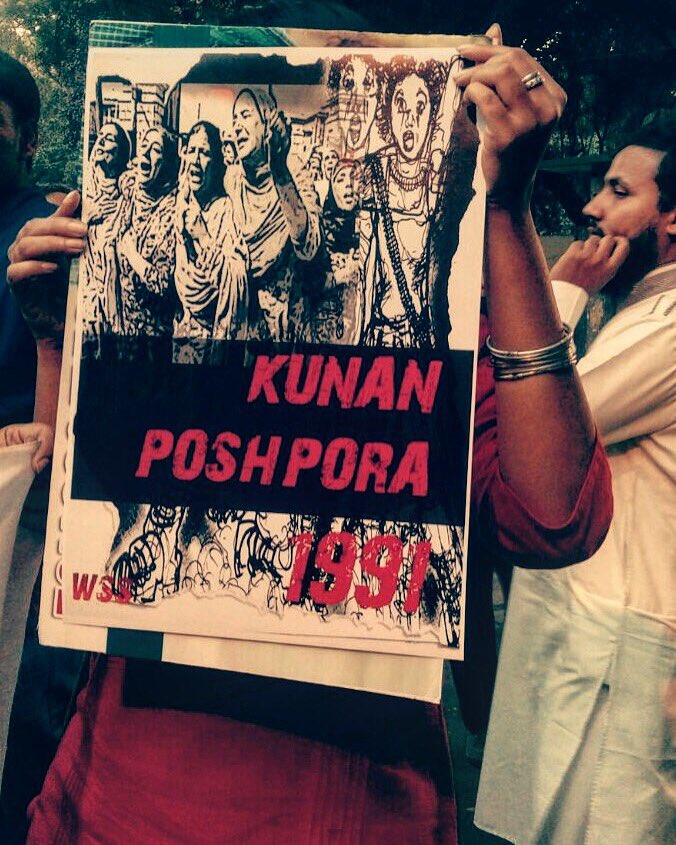
Raqif Makhdoomi, TwoCircles.net
Kunan Poshpora, a village in North Kashmir’s Kupwara district, carries a story that continues to haunt its people even after 35 years. The victims still await justice. The case has travelled through every court — High Court, Supreme Court and even the State Human Rights Commission — but justice remains a distant dream.
On the night of February...
Sixteen Years as an Under-Trial, Kerala Youth Zakariya to Move SC for Bail
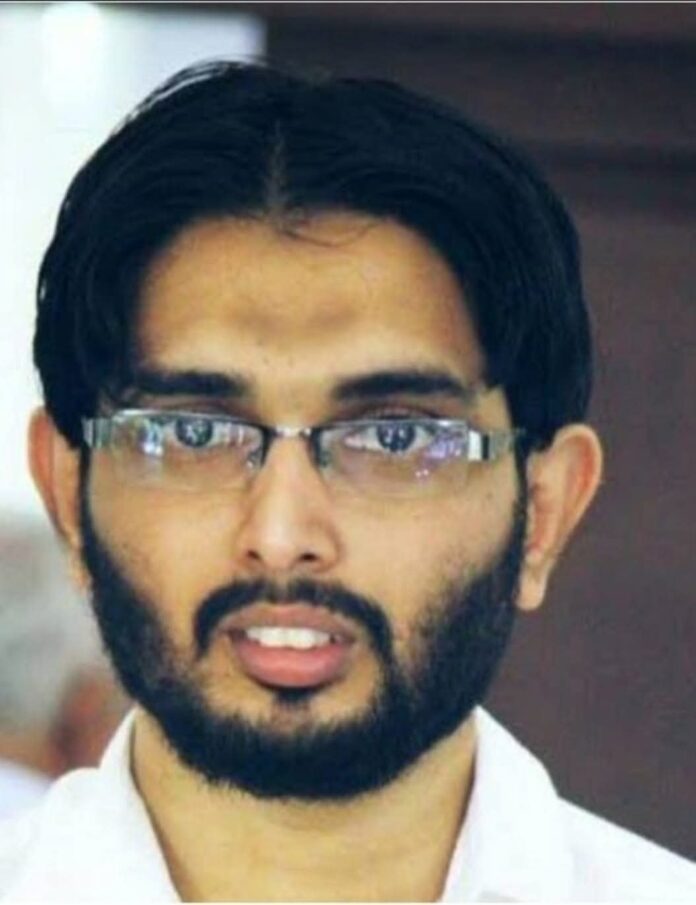
Najiya O, TwoCircles.net
Kozhikode: After spending 16 years in jail as an under-trial, Kerala youth Zakariya is preparing to approach the Supreme Court with a bail application. From the age of 19 to 35, he has spent his formative years behind bars at the Parappana Agrahara Central Prison in Bengaluru, accused in the 2008 Bengaluru blast case.
The Free Zakariya Action Forum,...
Loss, Survival and Denial of Justice: The Untold Lives of Delhi Riots Widows
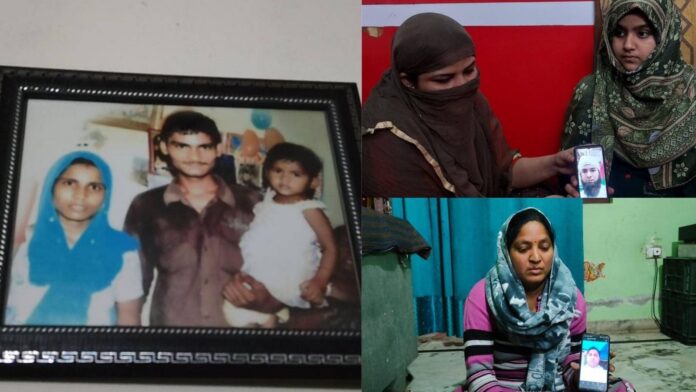
On the fifth anniversary of the 2020 Delhi riots, TwoCircles.net presents a compelling five-part series. This is the fourth story in that series. And if you have not read the previous stories, click here to read the first, second and third:
Tarique Anwar, TwoCircles.net
New Delhi: The sun was just beginning to dip below the horizon in Northeast Delhi, but for...
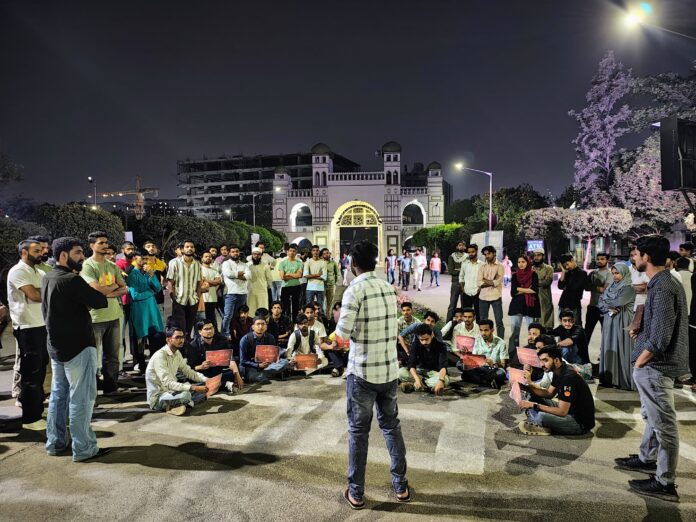
‘Urdu is India’s Heritage, Not Kathmullapan’: MANUU Students Protest UP Yogi Adityanath’s Remarks
TCN Staff
Hundreds of students from Hyderabad's Maulana Azad National Urdu University (MANUU) held a protest on Tuesday in response to Uttar Pradesh Chief Minister Yogi Adityanath's recent alleged anti-Urdu in the state assembly.
The chief minister, in his speech in the House, allegedly referred to the advancement of Urdu education as "Kathmullapan". In addition, he criticised the Opposition Samajwadi Party...
Women’s Photos and Videos Sold Online During Mahakumbh: A Reflection of Society’s Complicity, Legal Lapses and Relentless Attack on Females’ Dignity

Sumaiyah Khan
The shocking incident at Mahakumbh 2025, where photographs and videos of women taking a holy dip in the Triveni Sangam (the confluence rivers Ganga, Yamuna and mystical Saraswati) in Uttar Pradesh's Prayagraj were sold social media platforms (Telegram, Instagram and Facebook) underscores the pervasive lack of safety for women in India. This violation of privacy and dignity is...
Five Years of Silence, Endless Wait: A Father’s Hope and a Daughter’s Struggle for Justice

On the fifth anniversary of the 2020 Delhi riots, TwoCircles.net presents a compelling five-part series. This is the third story in the series. Click here and here to read the first two stories.
Tarique Anwar, TwoCircles.net
New Delhi: Shadab Alam, 25, was sitting on the roof of a pharmacy, where he used to work, in Wazirabad with few others on February...
‘Pain Never Goes Away’: Five Years After the Delhi Riots, Scars Remain Unhealed
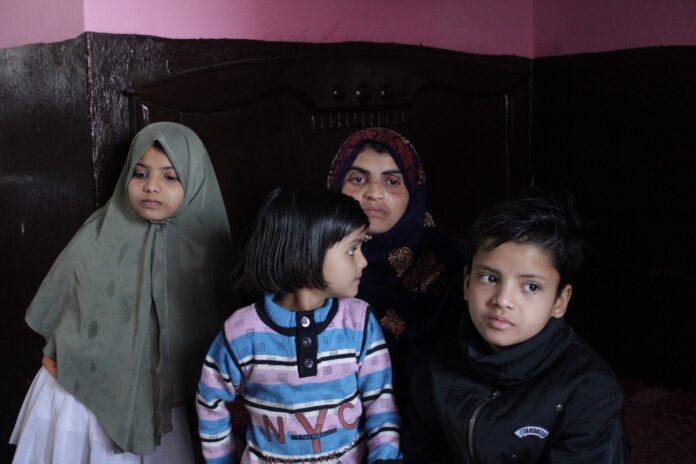
On the fifth anniversary of the 2020 Delhi riots, TwoCircles.net presents a compelling five-part series. This is the second story in that series. Click here to read this first story.
Devanshi Batra, TwoCircles.net
New Delhi: As the sun rises over Northeast Delhi, the narrow lanes of Shiv Vihar, Mustafabad, Jafrabad and other neighboring areas (which were worst affected by the 2020...
Threadbare Truth: The Looming Threat to the Legacy of Banarasi Sarees
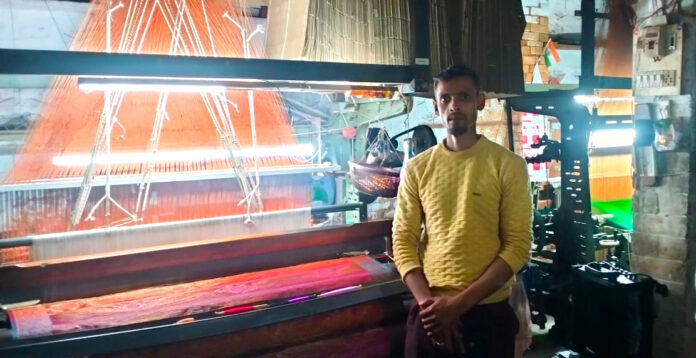
Pavan Kumar Maurya, TwocirCles.net
Varanasi (Uttar Pradesh): The plight of artisans in Bajardiha, the hub of Banarasi saree weaving in Prime Minister Narendra Modi's parliamentary constituency of Varanasi, is seemingly neglected. Forget about the basic civic amenities and health and educational infrastructures, the area, which is located about 10 km west of the prestigious Banaras Hindu University (BHU) with a...
Five Years On: The Lingering Scars of the Delhi Riots – Unpaid Compensation, Incarcerated Voices and Elusive Justice
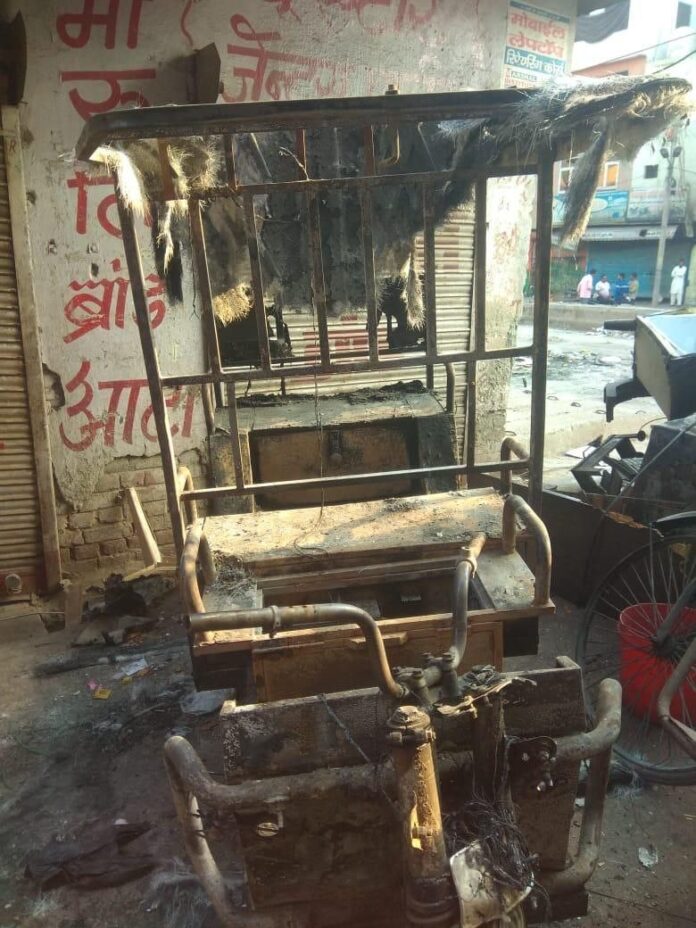
On the fifth anniversary of the 2020 Delhi riots, TwoCircles.net presents a compelling five-part series. This is the first story in that series.
Mohammad Asif Khan/Saima Anjum, TwoCircles.net
New Delhi: Five years after the deadly communal riots in Northeast Delhi wherein 53 people were killed and a hundred over 250 suffered injuries following peaceful protests against discriminatory Citizenship Amendment Act (CAA)...
Is Mahbubul Hoque’s Arrest Part of a Larger Political Agenda in Assam?
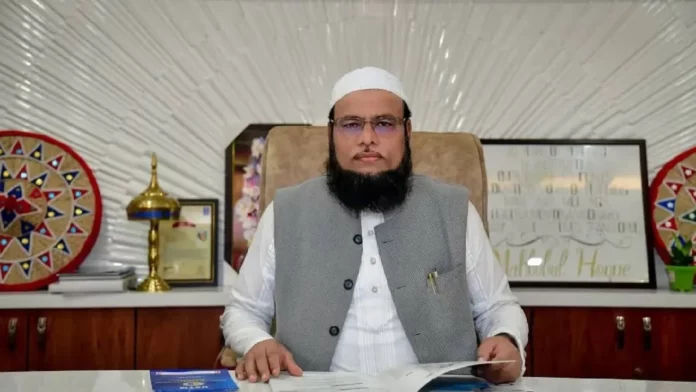
Syed Ali Mujtaba, TwoCircles.net
Guwahati: Hailed as modern-day Sir Syed of Assam, Mahbubul Hoque, an esteemed educationist and the Chancellor of the University of Science and Technology Meghalaya (USTM) has become the subject of a contentious legal ordeal. Many see his arrest as the latest episode in the allegedly growing series of "attacks" on Muslims in the state.
Hoque was taken into...
Secure Your Rights: Govt Sets April 2026 Deadline for Mandatory Birth Certificate Registration
TCN News
New Delhi: The government has set April 27, 2026, as the final deadline for citizens to register or renew their birth certificates. After the deadline, the birth certificate will become a mandatory document, and no further changes will be permitted.
This certificate will serve as the primary proof of citizenship, crucial for passports, healthcare, education and property rights. The...
‘Mosques Are Waqf Property, Only Tribunals Can Hear Disputes’: Rules Rajasthan HC
TwoCircles.net News Desk
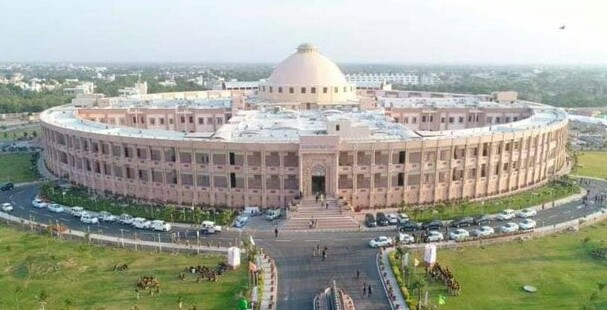
The Rajasthan High Court recently reinforced the jurisdictional boundaries of civil courts concerning religious properties, particularly mosques. The court, in a key ruling dated February 22, 2025, declared that a mosque, as a place for religious activities like offering namaz (prayer), falls under the definition of ‘Waqf’ as per Section 3(r) of the Waqf Act, 1995 :As...
Mustafabad’s Name Change Proposal: Will It Just Shift the Headlines or a Political Strategy to Rewrite History?
Asad Sheikh, TwoCircles.net
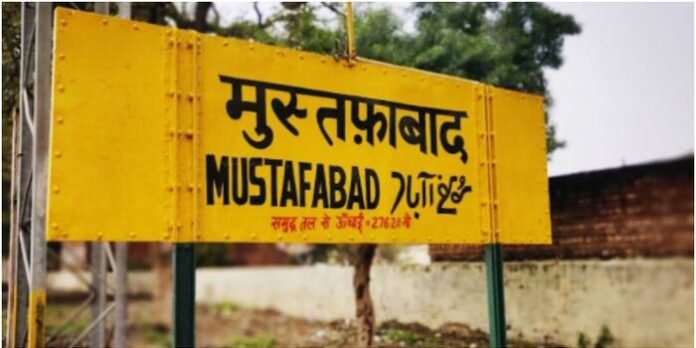
New Delhi: Mustafabad, a locality in Northeast Delhi, and its newly elected MLA, Mohan Singh Bisht, have been in the news lately. But why?
The Tran Yamuna region (Northeast Delhi) witnessed horrific communal violence in February 2020, and Mustafabad grabbed headlines, of course for wrong reasons.
Now, exactly five years later, this area is once again in headlines, and...
From Adversity to Prosperity: How Shakeela’s Rug Weaving Initiative Transformed Rural Women’s Lives in UP’s Chandauli
Pavan Kumar Maurya, TwoCircles.net
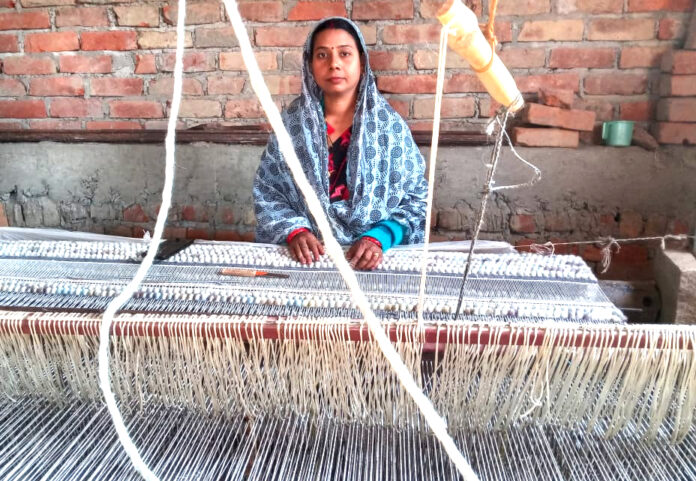
Chandauli (Uttar Pradesh): Shakeela Bano’s journey from a housewife to an entrepreneurial inspiration in her village, Katsil in Sakaldiha Tehsil, is one that exemplifies the power of determination. Faced with the challenges of a sudden job loss of her husband during the COVID-19 pandemic, she decided to turn adversity into opportunity by starting a home-based rug...
“I Can’t Enter the Campus That’s Like My Home”: Suspended Jamia Students Face Uncertainty
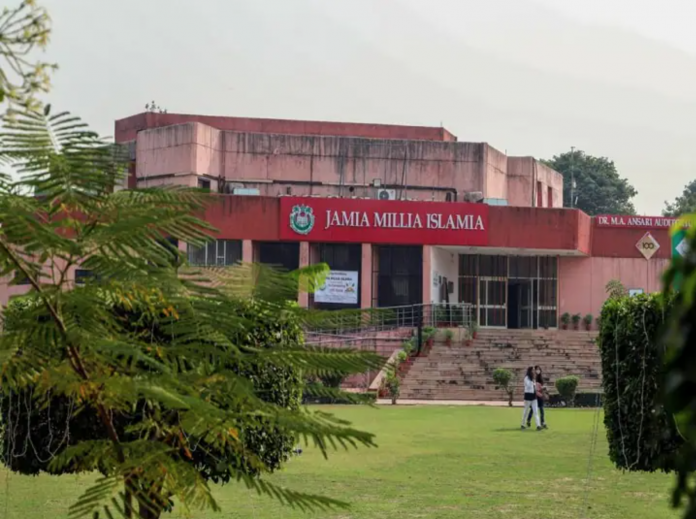
Ahmed Mir and Sarthak Parashar, TwoCircles.net
New Delhi: The suspension of 17 students of Jamia Millia Islamia (a central university in the national capital) has sparked a wave of protest and solidarity across the campus. These students, suspended for their alleged involvement in protests against the varsity’s "crackdown" on dissent, are now facing not only the emotional trauma but also...
Chhattisgarh: How Padma Shri Awardee Pandi Ram is Shaping the Future of Tribal Art in Maoist Hotbed of Bastar
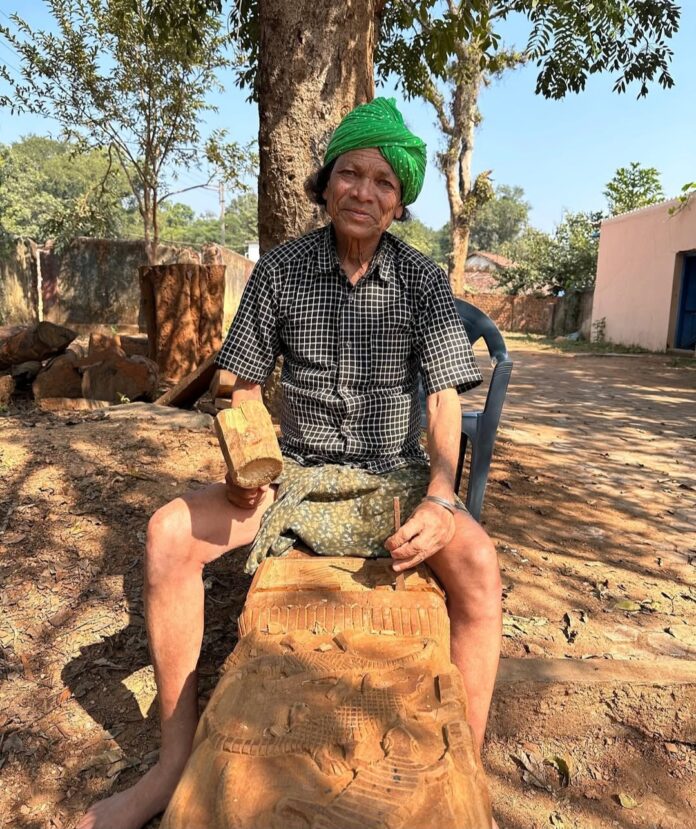
Poonam Masih, TwoCircles.net
Raipur (Chhattisgarh): At a time when traditions are fading with time, a man from Chhattisgarh is working tirelessly to preserve the rich cultural legacy of his tribe. Pandi Ram Mandavi, a Padma Shri awardee, has dedicated his life to the art of wood craftsmanship, a skill passed down through generations in his family. He claimed he is...
Maha Kumbh: A Muslim Man’s Unlikely Hospitality to Hindu Pilgrims in Varanasi
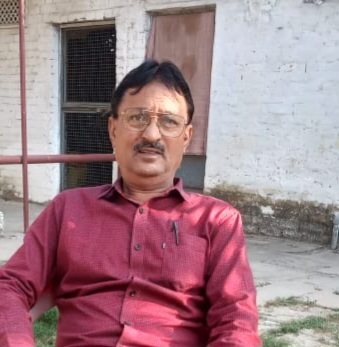
Pavan Kumar Maurya, TwoCircles.net
Varanasi: Hindu devotees from various states are flocking to the ancient city, also known as Kashi, for holy dips in the sacred Ganga River on the auspicious occasion of Maghi Purnima (a full moon day that occurs during the Hindu calendar month of Magha that usually falls in January or February). The atmosphere in the city...
Bihar: ‘Even Your Allah Won’t Save You’ — Madhubani Cleric Narrate Assault During Police Detention
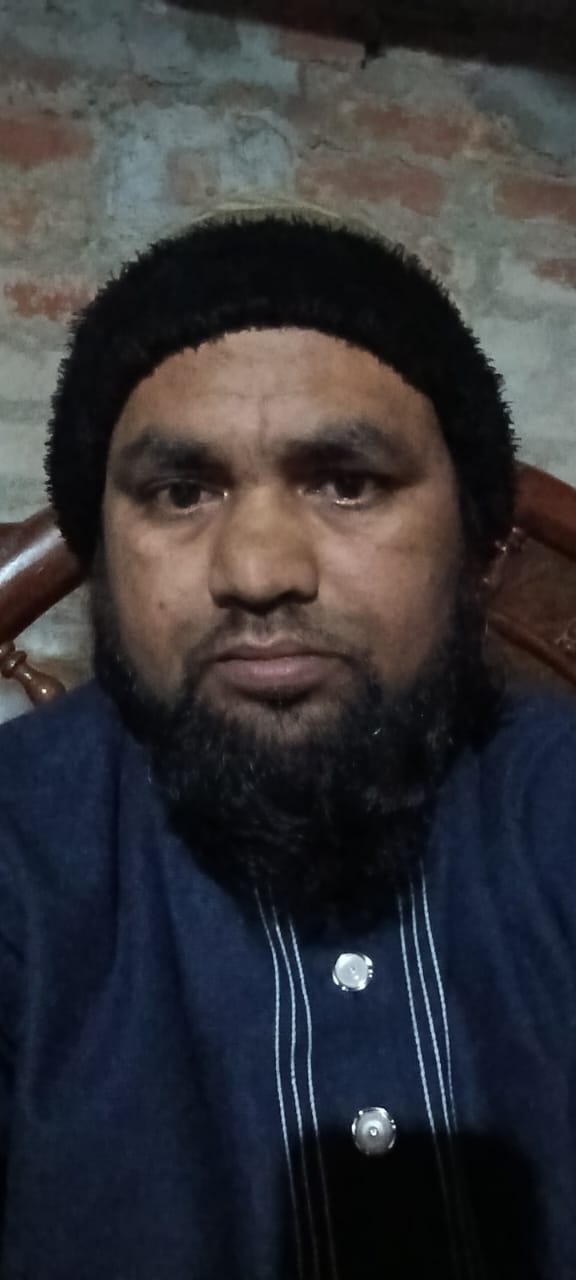
(Trigger Warning: This article mentions dreadful violence and contains disturbing photographs)
Mariyam Usmani, TwoCircles.net
Mohammad Firoz (37) from Kataia village in Bihar’s Madhubani district was traveling home on January 29 when a few policemen allegedly stopped him at Mohammadpur bridge in Benipatti area. The early-morning incident during a routine vehicle-check turned into a nightmare, as the Station House Officer (SHO) deployed...
Madhya Pradesh: Meet JEE Mains Topper Majid Hussain from Burhanpur
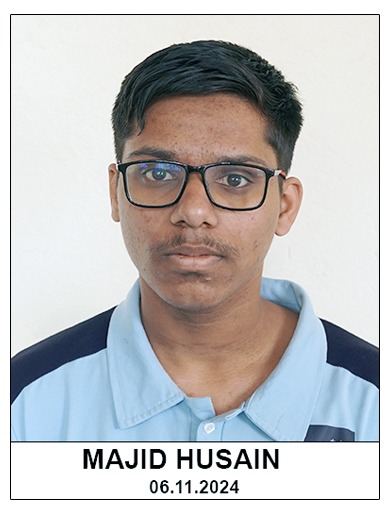
Abdul Wasim Ansari, TwoCircles.net
Bhopal: Majid Hussain, a resident of Madhya Pradesh’s Burhanpur district, recently grabbed headlines by securing the top rank in the Joint Entrance Examination (Main), 2025, in the state. His all-India rank stands at 17. Following the result of the country’s one of the toughest written tests to enter into the prestigious Indian Institute of Technology (IIT) was...
Delhi: Jamia Millia Islamia Violates Right to Privacy? Displays Students’ Identities Over Organising Campus Protest
Unzila Sheikh, TwoCircles.net
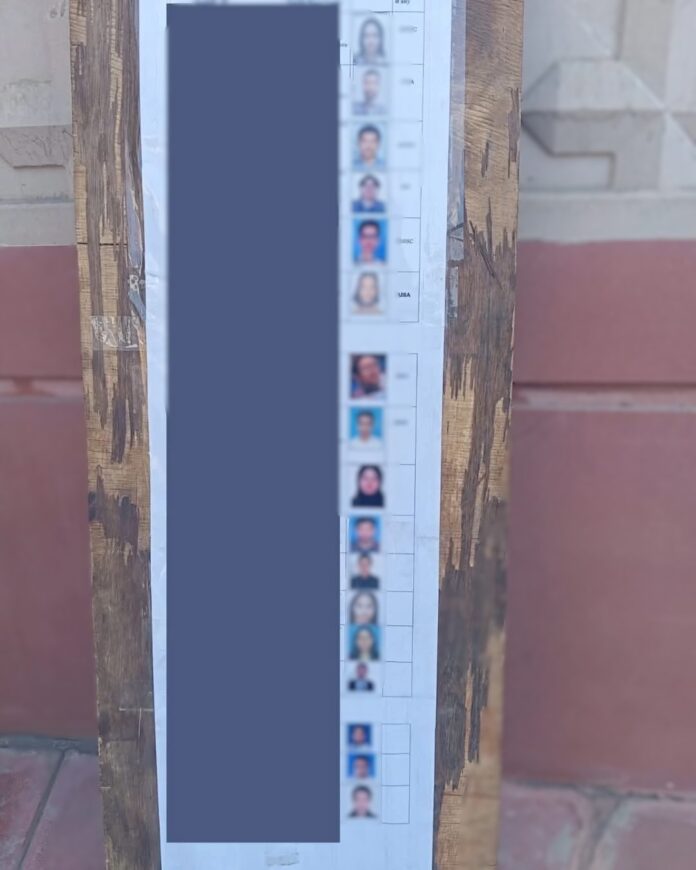
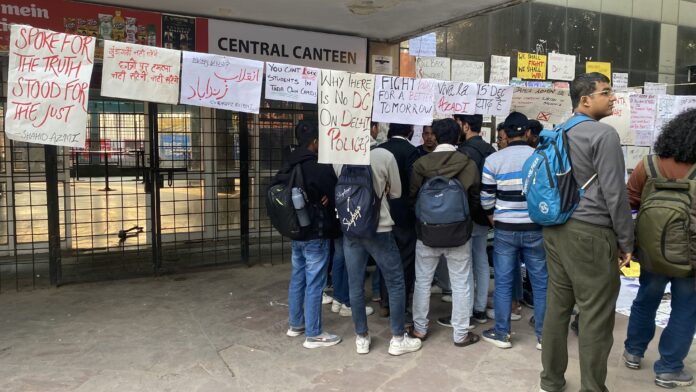
New Delhi: A day after the Delhi Police detained and later released around 12 students protesting at Jamia Millia Islamia (JMI), the university administration on February 14 publicly displayed a list identifying 17 students allegedly involved in the February 10 sit-in protest at Central Canteen. The notice, which appeared on campus at several spots, included names of...
Waqf Bill: JPC Report Proposes Major Overhaul, Opposition Cries Foul
TCN News
Despite widespread opposition protests, the Rajya Sabha accepted the joint committee's report on the Waqf (Amendment) Bill, 2024. Chairperson Jagdeep Dhankhar had to temporarily adjourn the meeting on Thursday due to massive uproar.
The report aims to strengthen the management and administration of Waqf properties across the country. The JPC report's recommendations, if implemented, are expected to have far-reaching...
Jamia’s Democracy Under Siege? Students Defy ‘Crackdown’ on Protests, Academic Space and Freedom
Unzila Sheikh, TwoCircles.net
“Even prisoners have access to basic facilities, but here, they locked the washrooms. At night, the proctor deliberately broke the electricity board and then tried to blame the students —but we have proof to the contrary. The washrooms remained shut all night. The darkness, the lack of security — it was terrifying. The (Jamia Millia Islamia) administration...
Despite Kejriwal’s Lack of Campaign Engagement, Strategic Apathy, Why AAP Succeeded in Muslim-Majority Areas
TCN News Desk
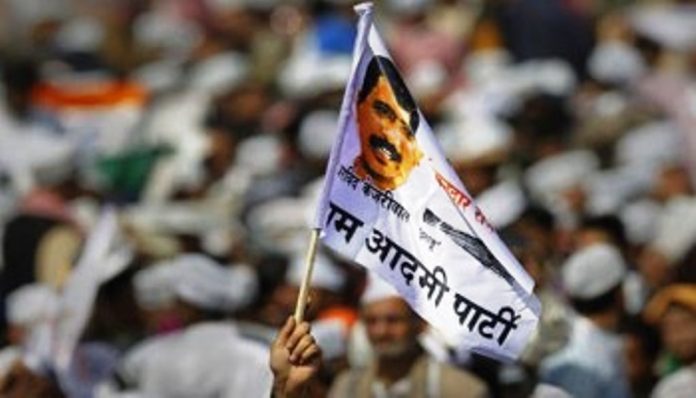
The Aam Aadmi Party (AAP) achieved notable success in constituencies with a significant Muslim population, winning 8 out of 11 such seats, even though its top leadership was notably cautious in campaigning in these areas. The party chief, Arvind Kejriwal, did not campaign in Muslim-majority areas Jama Masjid and Okhla, nor did he address public meetings in...
BJP’s Parvesh Verma’s Legacy of Hate: Incendiary Anti-Muslim Rhetoric and the Road to Delhi CM
TCN News Desk
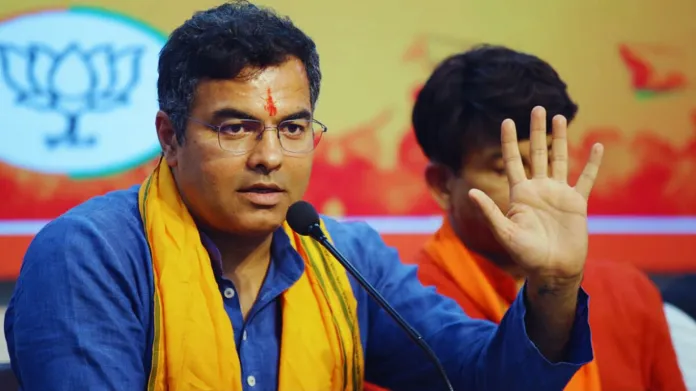
New Delhi: Parvesh Sahib Singh Verma emerged as the giant slayer following the declaration of the Delhi Assembly election results on February 8. The Bharatiya Janata Party (BJP) leader defeated Aam Aadmi Party (AAP) National Convenor and former Delhi Chief Minister Arvind Kejriwal by 4,089 votes in the New Delhi constituency, which has been represented by two...
BJP Breaks 27-Year Jinx to Claim Delhi Throne; Congress, Not AIMIM, Played Spoilsport for AAP
Asad Shaikh, TwoCircles.net
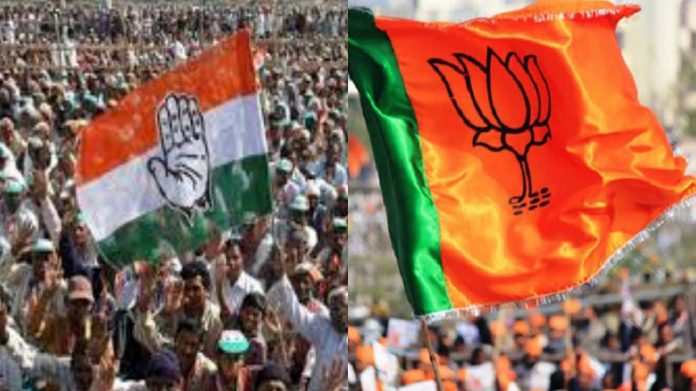
New Delhi: The results of the Delhi Assembly elections have sent shockwaves through the political landscape. After 27 long years, the Bhartiya Janata Party (BJP) has finally broken the jinx and claimed the throne of the national capital. The BJP is poised to win 48 seats in the 70-member assembly, while the incumbent Aam Aadmi Party (AAP)...
Small Acts, Big Rewards: Kifayatullah Malik’s Quest to Empower Underprivileged
TCN News
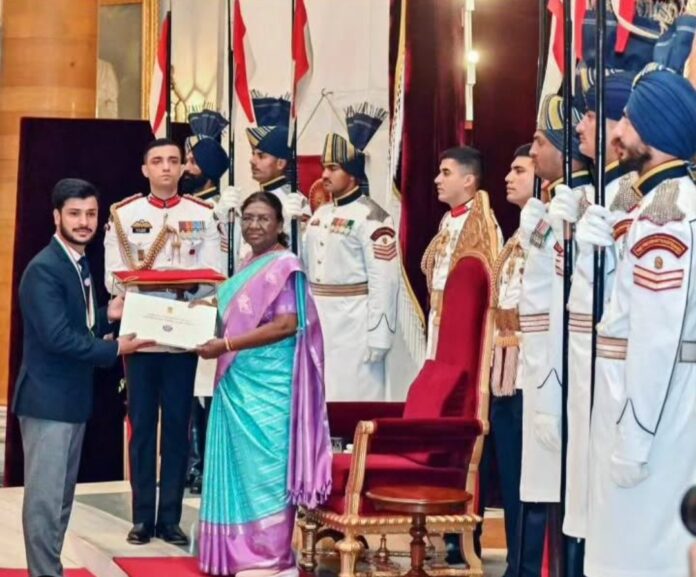
Bandipora, Kashmir: Growing up in Lawaypora, a small village in bandipora, Kifayatullah was the first child in his family to attend school. His father is a farmer. Kifayatullah soon realized that many children in his community were deprived of this basic right.
Kifayatullah Malik told TCN, “My desire to serve the community was sparked by the difficulties and hardships...
‘Beyond Religion and Party Lines’: How Women in Okhla and Kalkaji Voted in Razor Sharp Delhi Elections
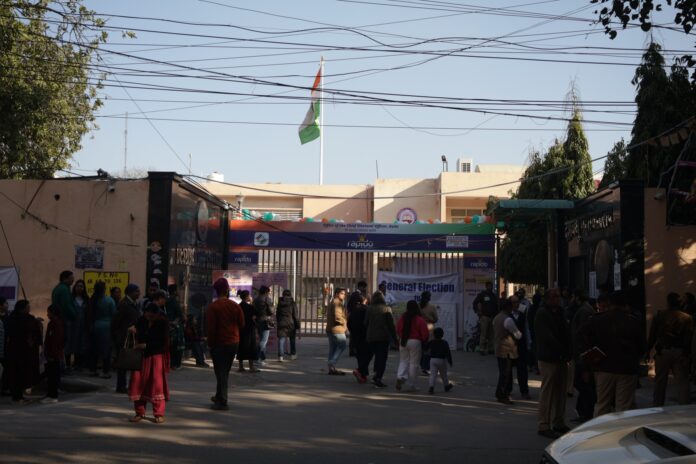
Syed Muskan, TwoCircles.net
"Okhla Beemaar Hai, Usse Shifa Chahiye (Okhla is ill, and it needs Shifa - healing)." These words, spoken by Rubina, a resident of Shaheen Bagh in the Okhla constituency, reverberated through the region's political atmosphere during the February 5 Delhi Assembly elections. Often at the center of shaping political dynamics, women voters engaged in a battle that...
A Humanitarian Crisis in Delhi’s Election: MCD Workers’ Outrage Over Manual Scavenging, Contract Labor and ‘Unkept’ Promises
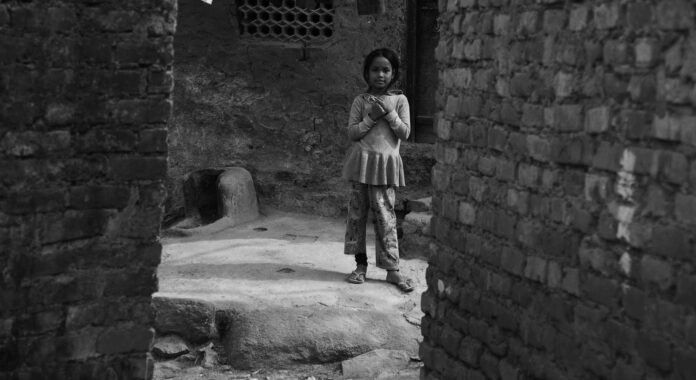
Mariyam Usmani, TwoCircles.net
New Delhi: Rajo Devi (45) did not distinguish much between permanent jobs and contract-based work when she joined the Municipal Corporation of Delhi (MCD) as a sanitation worker in 1996. Over the years, she witnessed numerous policies come and go and participated in several protests demanding "regularisation, better pay and improved working conditions".
Unfortunately, these efforts yielded little...
Dr. Ejaz Ali: The Patna Doctor Who’s Been Charging Rs 10 for 30 Years
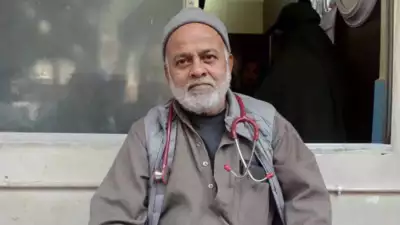
TCN News
Patna, Bihar: In an era where medical expenses are skyrocketing, a doctor from Patna has been a beacon of hope for the poor and underprivileged.
For an astonishing three decades, Dr. Ejaz Ali has been charging a mere Rs 10 for consultation, earning him the revered title of "messiah" among his patients.
From March 20, 2008, to July 7, 2010,...
Lost Her Husband to Manual Scavenging, Soni Singh’s Struggle for Survival
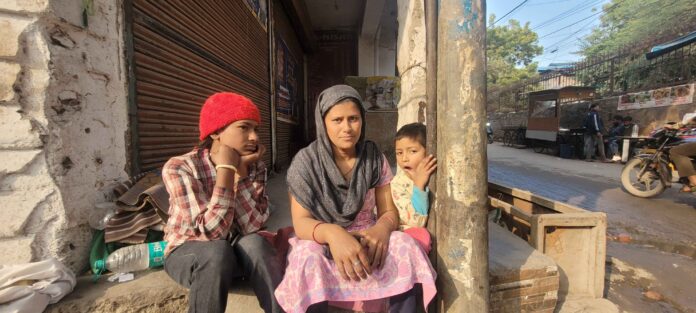
Punam Masih, TwoCircles.net
New Delhi: Soni Singh sits on the steps of a shop near Mehrauli Dargah with her two daughters, waiting for kind-hearted individuals to offer them food for the day. Her life took a tragic turn last year when she lost her husband to an infection. “My husband worked as a daily wager. One day, he was assigned...
Zakia Jafri, Voice of the Victims of Gujarat Riots, Dies at 86

TCN News
Zakia Jafri, a survivor of the Gulberg Society massacre and the widow of former Congress MP Ehsan Jafri, passed away in Ahmedabad on Saturday due to age-related complications. Her age was 86.
According to her son Tanveer, who resides in Surat, Zakia died at approximately 11.30 am while in Ahmedabad with her US-based daughter Nishrin. She will probably be...
Delhi Elections 2025: Shifa Ur Rahman’s Wife Nooreen Calls for Justice at the Ballot Box; Tahir Says AAP is Mirroring BJP’s Hindutva Agenda
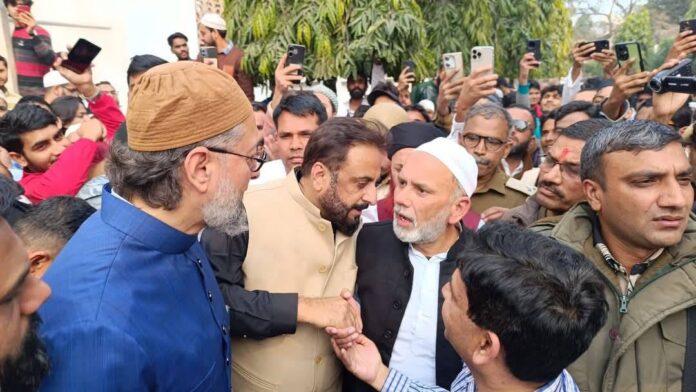
TwoCircles.net Staff Reporter
New Delhi: The air is thick with political tension in the bustling lanes of Delhi's Okhla constituency as the assembly elections in the city draw near. A determined and vocal leader, Nooreen Fatima rallies the crowd with the chant, “Bolega Okhla, Jeetega Insaf (Okhla will speak, justice will win)."Fatima is campaigning for her husband, Shifa Ur Rehman,...
‘Nothing Can Fill This Gap’: Families of AIMIM Candidates Shifa, Tahir Share Heartfelt Pleas for Justice Ahead of Delhi Elections
Mariyam Usmani, TwoCircles.net
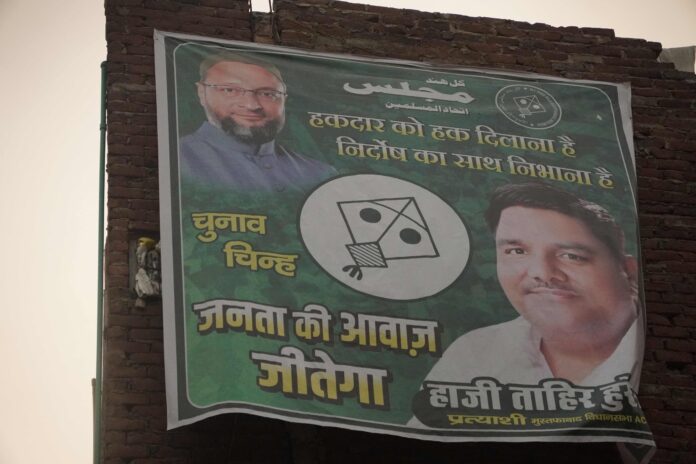
New Delhi: The entry of the All India Majlis-e-Ittehadul Muslimeen (AIMIM) in the run-up to the Delhi Assembly elections has brought the issues of civil liberties, religious freedom and communal hatred back to the forefront of electoral discourse. As the ruling Aam Aadmi Party (AAP) and its primary opponent, the Bhartiya Janata Party (BJP), remain ensnared in...
MP: Meet the Hafiz-e-Quran from Rajgarh Who Can’t See But Feels Both Darkness and Light
Abdul Wasim Ansari, TwoCircles.net
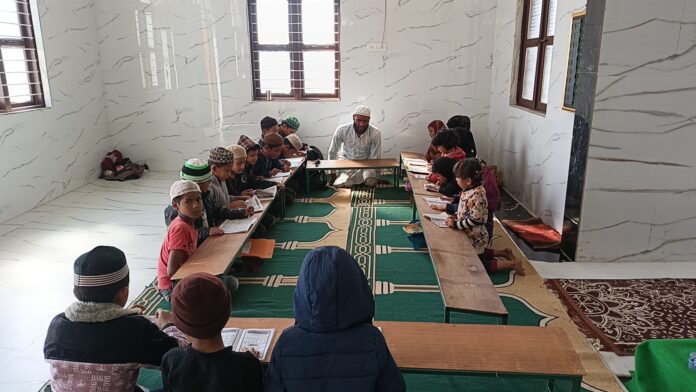
Muhammad Azhar Ansari, born in Rajgarh district of Madhya Pradesh, suffers from a rare disease that affects about one percent of children. In some, the impact is mild, and in others, more severe. This condition prevents a person from seeing normally, and Azhar is one of those who can only feel light and darkness.
However, he did...
Dalit Bihar Legislator Alleges Caste-Based Harassment, Police Register FIR
TCN News
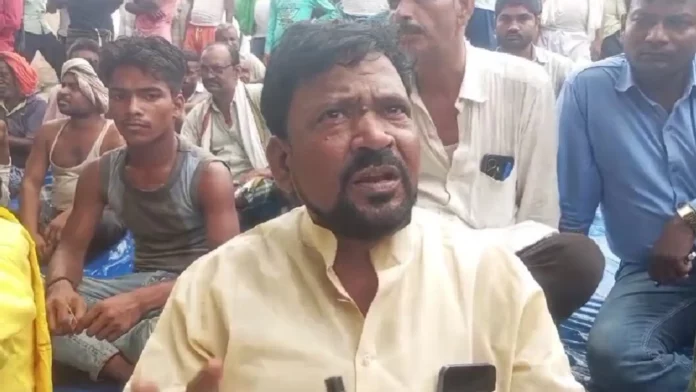
A shocking incident of alleged caste-based harassment has surfaced in Bihar, where CPI(ML) legislator Gopal Ravidas was allegedly denied the right to inaugurate a government school building due to his Scheduled Caste status. The incident occurred on Republic Day (January 26, 2025) in Kurthaul, Patna district.
Mr. Ravidas said, I went with my supporters to inaugurate the new government...
2020 Riots, ‘Broken’ Promises and ‘Unmet’ Civic Needs: The Struggles of North East Delhi Voters Ahead of 2025 Elections
Tarique Anwar, TwoCircles.net
New Delhi: With assembly elections fast approaching, residents of North East Delhi continue to face enduring issues such as inadequate infrastructure, poor living conditions and "unfulfilled" political promises. The struggle highlights the contrast between election-time rhetoric and the real needs of the people.
A certificate of appreciation, acknowledging Vakeel Hasan's role in saving 41 workers trapped inside the...
How a Woman is Changing the Lives of Children Born into Delhi’s Brothels
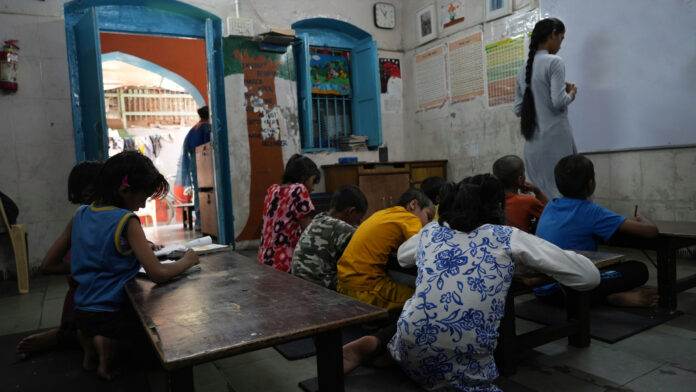
Farheen Saifi, TwoCircles.net
New Delhi: With her face veiled to conceal her identity, Priya (name changed) enters the Society for Participatory Integrated Development (SPID) shelter to meet her two children. They have been living here for the past two years, shielded from the harsh realities of the life Priya has suffered for the last nine years as a sex worker...
Delhi Elections 2025: The Untold Story of Rohingya Refugees in the City
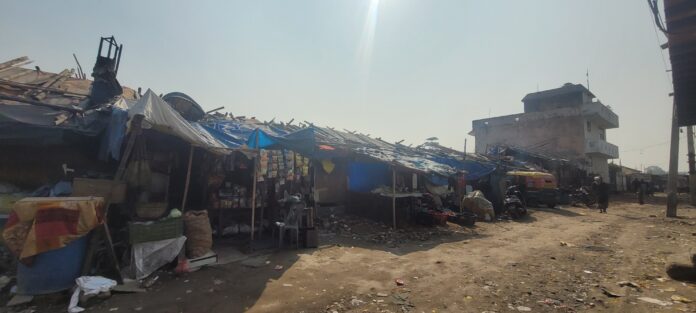
Poonam Masih, TwoCircles.net
Ameena Khatoon is a mother of three who lives in a small refugee camp at Kanchankunj near Okhla's Kalindikunj in Delhi. She collects garbage and earns Rs 200-300 a day, just enough to feed her daughters. Her story reflects the hardship faced by countless Rohingya refugees who have fled violence in Myanmar, only to face a life...
Delhi Elections 2025: Women Voters Refuse to be Swayed by AAP-BJP’s Poll Winning Tactics, Highlight Security Risks and ‘Broken’ Promises
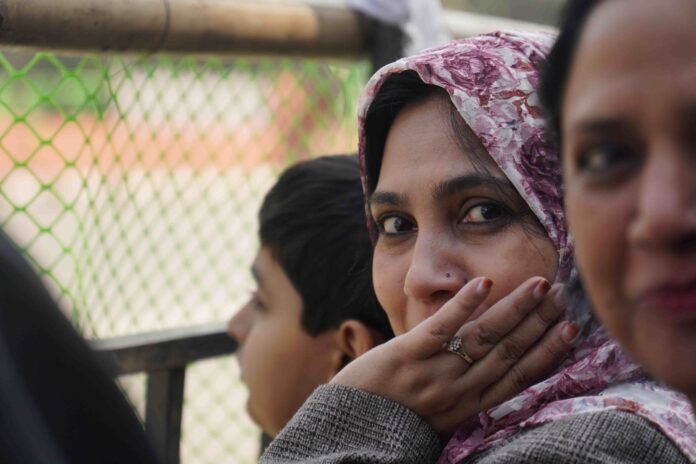
Mariyam Usmani, TwoCircles.net
Seema Sachdeva (59), a tenant in the P&T quarters near Windsor Place, the residence of Pravesh Verma, a Bharatiya Janata Party (BJP) candidate from the New Delhi constituency for the city's legislative assembly election, witnessed firsthand the alleged electoral malpractices.
“There was a massive crowd of people from different parts of the city who gathered at Pravesh Verma’s...
‘Muslims Are On Their Own’: Community Voters Disappointed with AAP’s ‘Soft-Hindutva Avatar’ During Delhi Elections
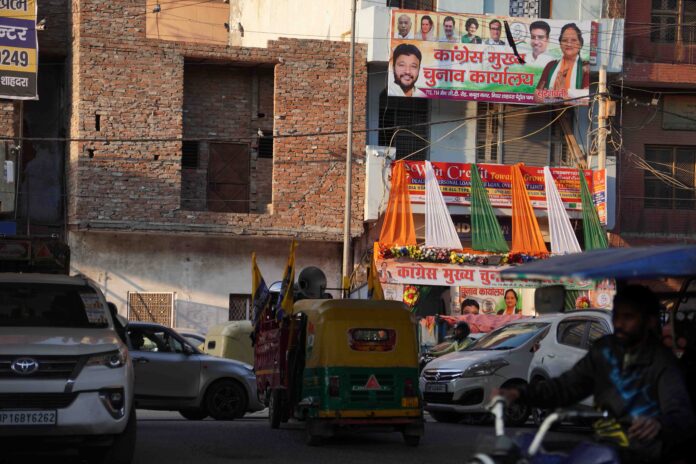
Mariyam Usmani, TwoCircles.net
Mohammad Ibrahim (70), a resident of Batla House in Delhi's Okhla assembly constituency is frustrated that a large majority of Muslims in the area continue to support the Aam Aadmi Party (AAP) - which is governing the national capital. Ibrahim’s sentiments reflect a larger shift in opinion despite the fact that Muslim votes had played a significant...
Struggling for Survival: The Untold Story of Varanasi’s Women Weavers Fighting for Survival
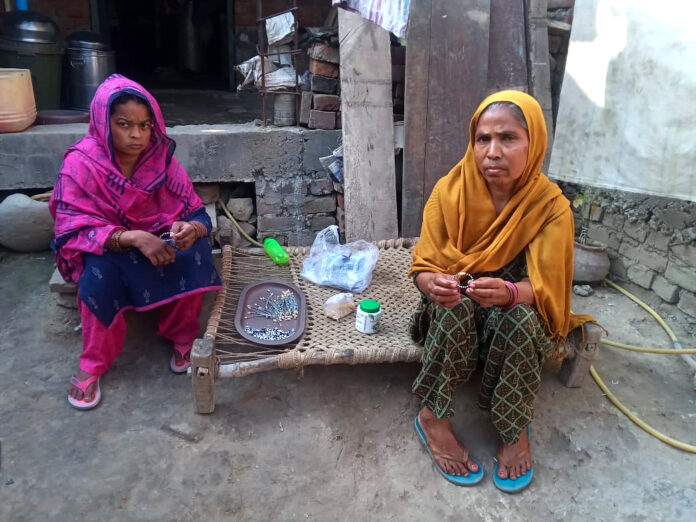
Pavan Kumar Maurya, TwoCircles.net
Varanasi: Bano Nisha once earned a modest but steady income stitching mirrors and decorative items onto bridal veils and dupattas (head scarves). She recalls a time when life felt a little more secure, when the rhythm of her needle punctuated her days with purpose.
“Before the COVID pandemic, I used to get work sewing mirrors and decorative items on dupattas and...
From a Rickshaw Driver’s Daughter to Only Muslim Deputy Collector: Inspiring Journey of Madhya Pradesh’s Ayesha Ansari
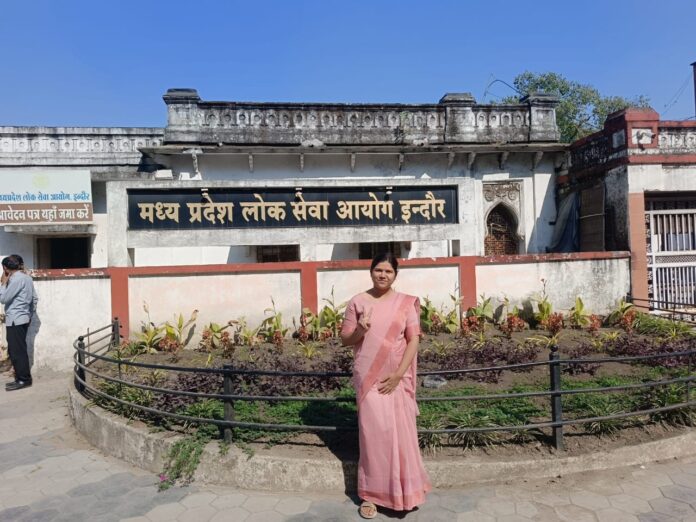
Adnan Ali, TwoCircles.net
On January 18, 2025, Ayesha Ansari’s life was transformed. The news that she had cracked the Madhya Pradesh Public Service Commission (MPPSC) 2022 examination and been selected as a deputy collector was not just a personal victory — it was a testament to her perseverance and an unshakable belief in the power of education. Hailing from Rewa...
Delhi Elections 2025: The Forgotten Trans Yamuna Region Battling Absence of Clean Water, Sanitation and Basic Amenities
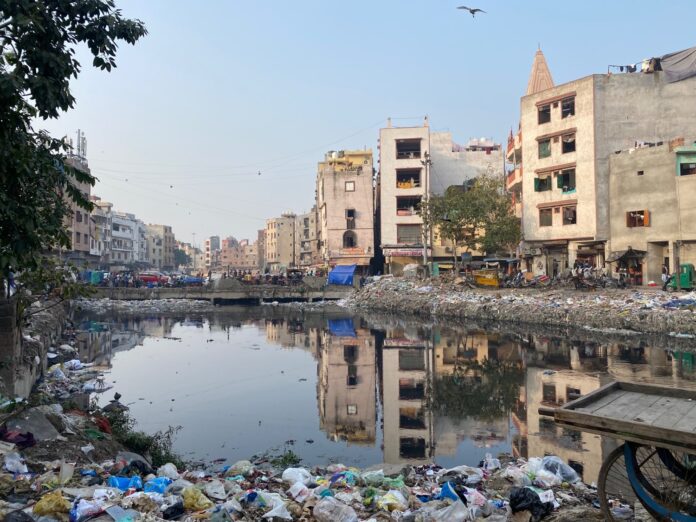
Devanshi Batra, TwoCircles.net
Northeast Delhi, encompassing neighbourhoods like Seelampur, Jaffrabad, Mustafabad, Karawal Nagar and Shiv Vihar, often seems like a forgotten part of the capital, left behind in the rush towards urban development. Muslims make up around 13% of Delhi's population; in northeast Delhi, this figure is higher at 29.34%, according to the 2011 census.
Unlike the gleaming malls and sleek...
Delhi Elections 2025: Okhla – A Glimpse of Neglect in City’s Development Race
Devanshi Batra, TwoCircles.net
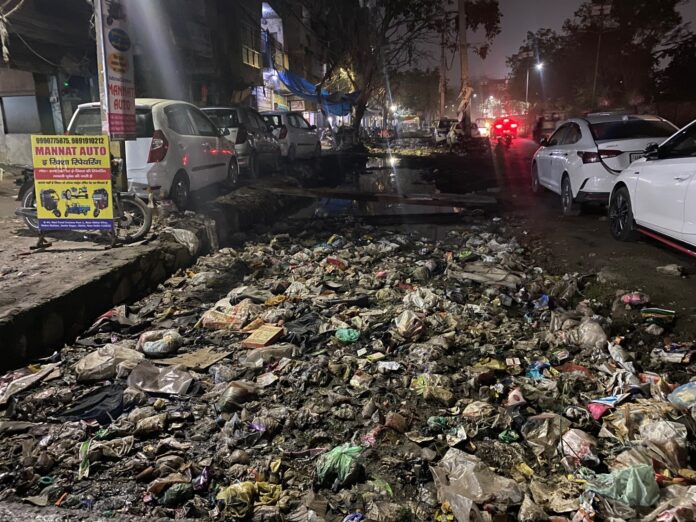
Okhla, a Muslim majority assembly segment in Southeast Delhi, is a constituency that mirrors the stark contrast between the city’s booming growth and the invisible corners left to languish. While it boasts notable landmarks such as Jamia Millia Islamia and thriving food hubs like Shaheen Bagh, its residents live in the shadows of urban progress and grapple...
Rajasthan: Dalit Man Tied, Thrashed by Locals Over Bike Theft Allegation
TCN News
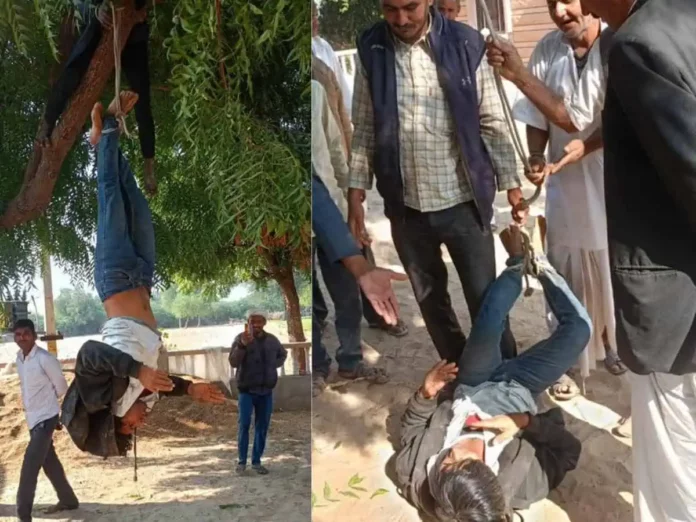
On January 10, a Dalit youth named Shrawan Meghwal was brutally humiliated in public and assaulted in the vicinity of the Gudamalani police station in the Barmer district of Rajasthan. Meghwal was brutally assaulted and tied upside down from a tree by a group of locals who accused him of bike theft.
Social media users have widely condemned the...
Delhi’s Imams and Muazzins Grappling with Financial Crisis Amid Salary Delay
Md Kaifee Alam, TwoCircles.net
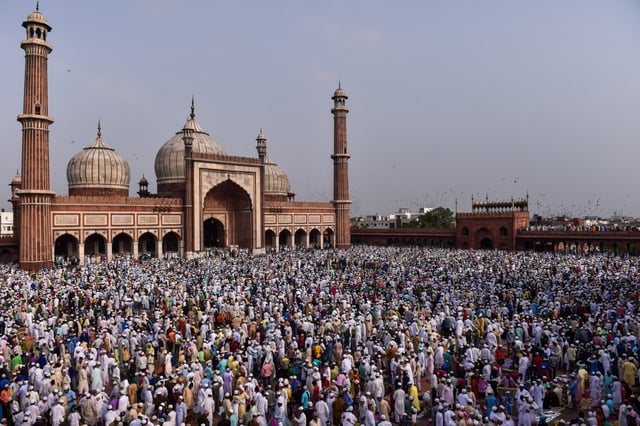
Mohammad Aslam, 35, a 35 muazzin (the person who proclaims the call to daily prayers at a mosque), stands at the threshold of Masjid Ghaziuddin Khan, which is located in Delhi’s Anglo Arabic School complex at Ajmeri Gate area in New Delhi district of the national capital. As he calls out the 'azaan' (call for prayer),...
Varanasi’s Heritage in Crisis? How City’s Iconic Crafts Are Disappearing
Aradhana Pandey, TwoCircles.net
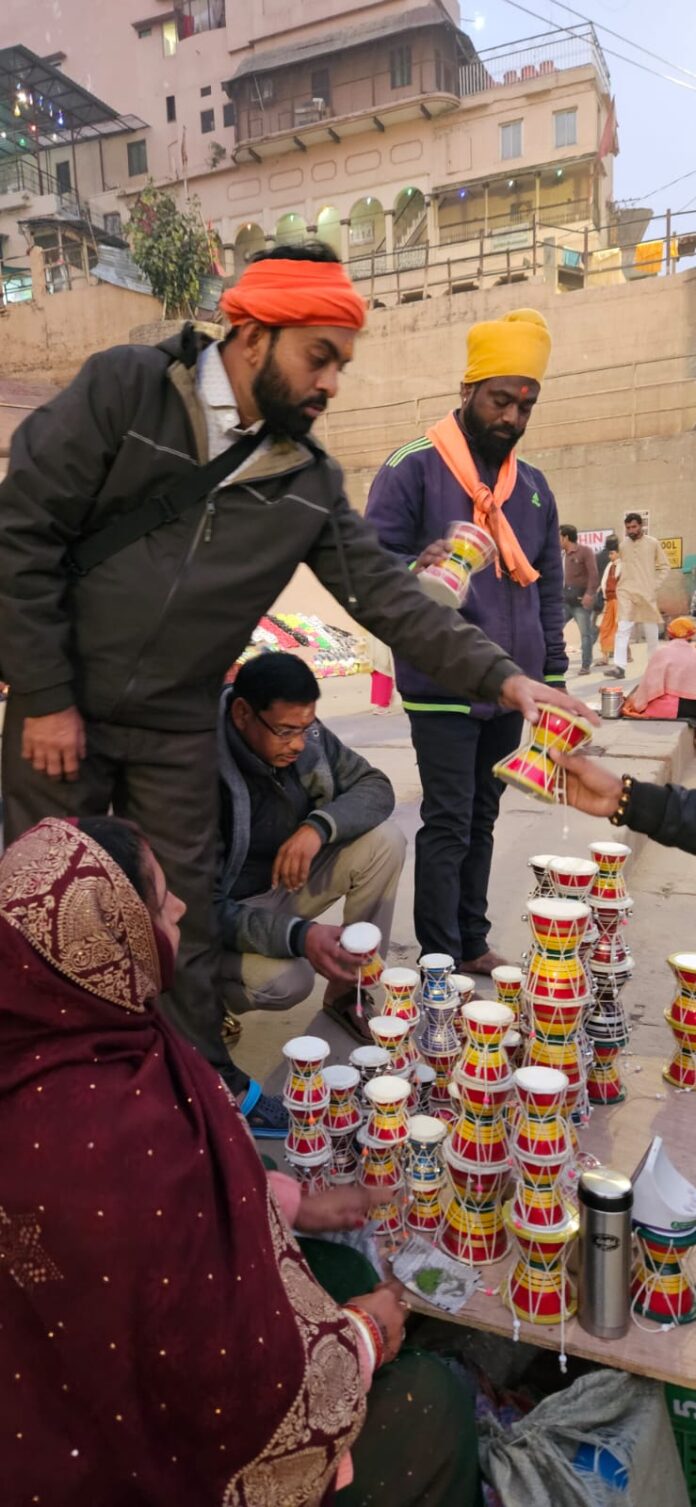
Traditional livelihoods in Varanasi are not just allegedly vanishing — they are being replaced by modern alternatives; and with them, the unique skills of countless artisans are fading away. While the city’s charm and culture still attract millions, the artisans who once made Varanasi what it is today are now grappling with the ever-changing landscape of modern life.
Ram...
Manipur: Meitei Armed Group Allegedly Assaults Muslim Boy, Forces Him to Eat Pork Over Allegations of ‘Love-Jihad’
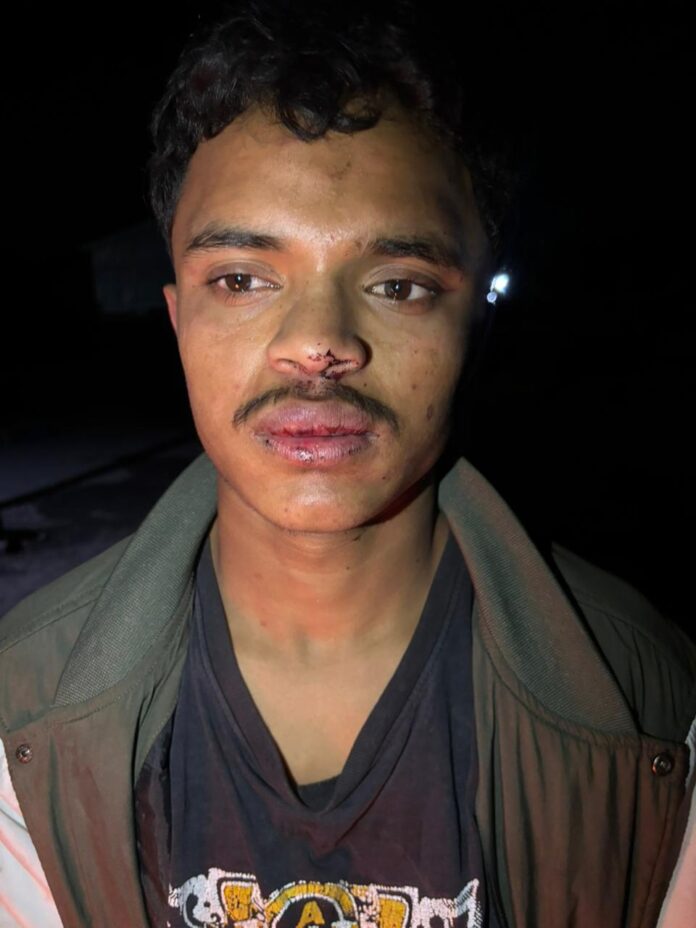
Mariyam Usmani, TwoCircles.net
Tampakmayum Akhtar, who belonged to the Kwatka area of Imphal, the capital of ethnic conflict-torn Manipur, found his life turned upside down after a casual conversation at work spiraled into a brutal, life-altering ordeal. The 18-year-old boy, a chef at Kafyah Cafe in the Keshampat area, was used to the daily rhythms of his job, surrounded by...
Chandasi Coal Mandi: Asia’s Largest Black Hell Where Laborers Pay with Their Health
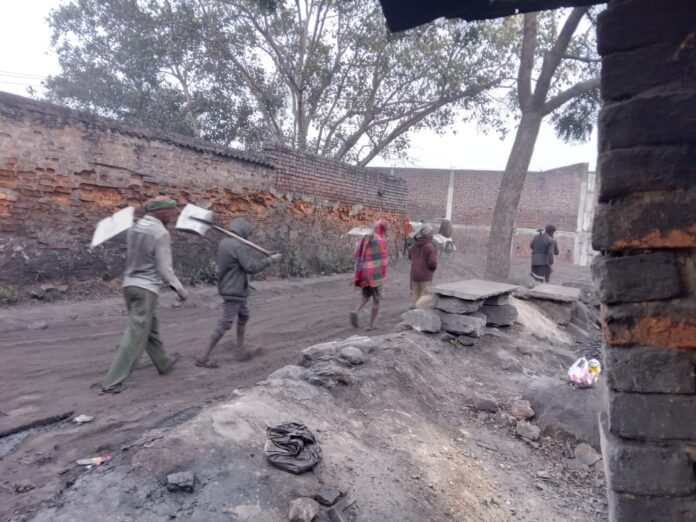
Pavan Kumar Maurya, TwoCircles.net
Mughalsarai, Chandauli: The Chandasi Coal Mandi, located just five kilometers from Varanasi in Chandauli district, Uttar Pradesh, is gripped by severe cold since December 31, 2024. The temperature hovers around 10°C, and a cold wave blows through the area in the afternoon. The sky is overcast, and clouds of coal dust and ash swirl through the air.
Amidst the hum of...
Mubarak Manzil: Agra’s 17th-Century Monument Demolished
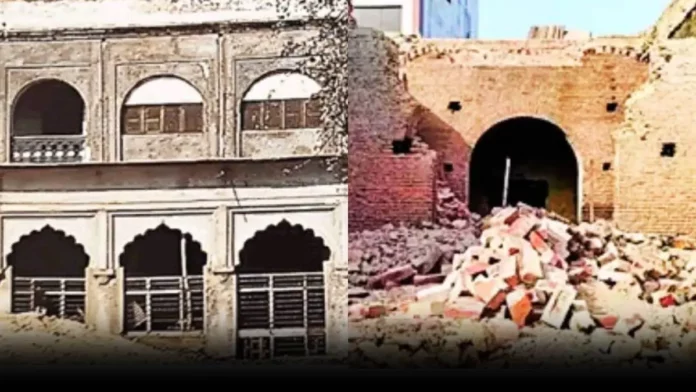
TCN News
The demolition of Agra's ancient Mubarak Manzil, a 17th-century Mughal heritage site, has sparked criticism and claims of complicity between officials and a builder. William Dalrymple, a Scottish historian and Indologist, has denounced the destruction of Mubarak Manzil, a 17th-century Mughal cultural monument in Agra, Uttar Pradesh, India. He described it as an "appalling negligence of India's heritage"...
Murdered for Being a Muslim? Widow of Moradabad Mob Lynching Victim Seeks Justice Amid ‘Bias’, ‘Hatred’
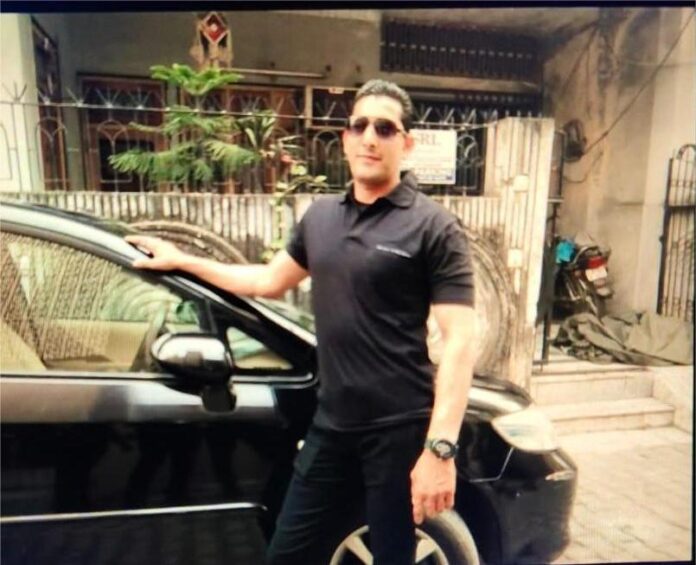
Mariyam Usmani, TwoCircles.net
Rizwana Qureshi’s world came crashing down on December 30, 2024, when her husband, Shahdeen, 37, was allegedly lynched to death by a mob in Uttar Pradesh's Moradabad. With tears in her eyes, she recalls the horrific moment when she learned of her husband's brutal fate. "He was never involved in cow slaughtering; they killed him for being...
Journalist Mukesh Chandrakar: A Voice of Bijapur, Silenced Too Soon
Poonam Masih, TwoCircles.net
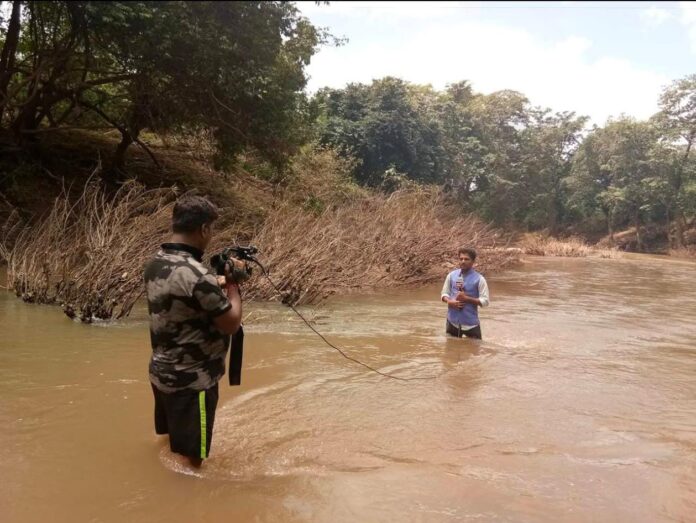
Mukesh Chandrakar was not just a name; it was the very identity of Bijapur (Chhattisgarh). For journalists, whether from India or abroad, a visit to Bijapur was incomplete without meeting this young, fearless journalist. Mukesh made his mark with his stories on tribal issues, security forces and Maoist encounters. A stringer for NDTV who also owned a...
Curious Case of Moradabad Lynching: No Arrest Or Mob Assault Charge in Shahdeen’s Murder, Yet Swift Action in Cow Slaughter Case
TCN Staff Reporter
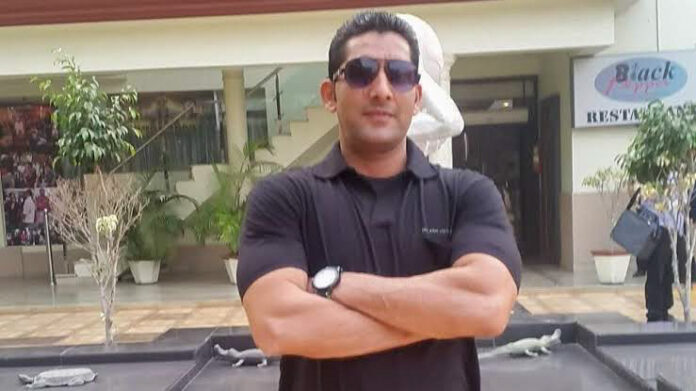
As the nation was gearing up to welcome new year, a brutal murder shook the streets of Moradabad in Uttar Pradesh. Thirty-seven-year-old Shahdeen was lynched to death in Naveen Mandi area in the dead of night, on December 29-30, over an accusation that he had slaughtered a cow. The police swung into action and quickly apprehended one...
Cow Slaughter, Beef Ban: The Lackluster Obsessions of Assam CM
Sandipan Talukdar, TwoCircles.net
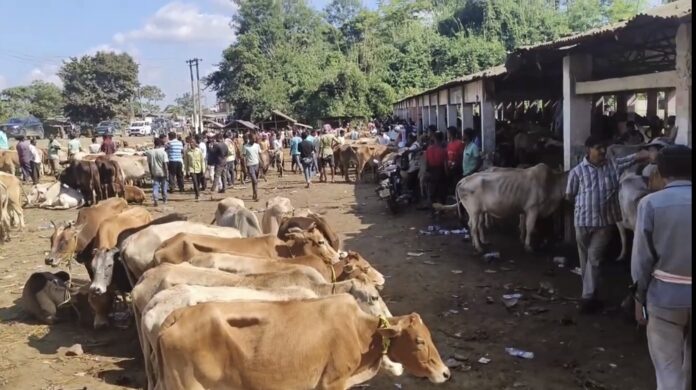
Mohen Morang’s family owns over 80 buffaloes and 50 cows in their cattle shed near Bamun Chapori, located in the Golaghat district of Assam. A chapori refers to the riverine areas teeming with lush grass, perfect for cattle herders. Morang’s family, along with many other members of the Mising community from Golaghat, has been engaged in cattle herding for...
‘Self-Censorship’: Siddique Kappan’s Battle for Justice and Identity After Jail
Hana Vahab, TwoCircles.net
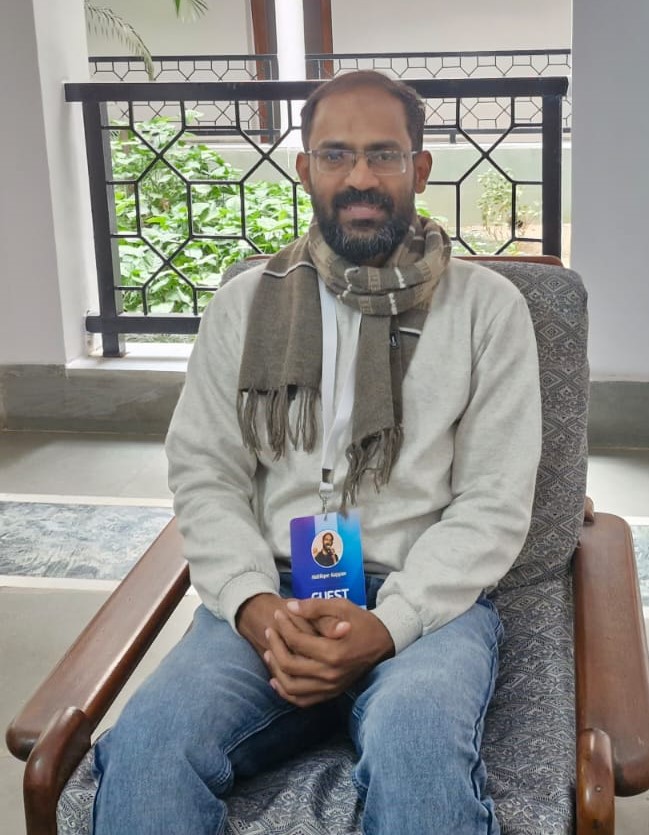
Two years after being granted bail by the Supreme Court, Kerala-based journalist Siddique Kappan's struggle is far from over. His release from prison was not the end of his torment, but the beginning of a new battle — one against a system that, he alleged, has forced him into "self-censorship, surveillance and financial ruin". A journalist whose...
Why Are Tribals Opposing the Ken-Betwa Link Project? What Are Their Demands?
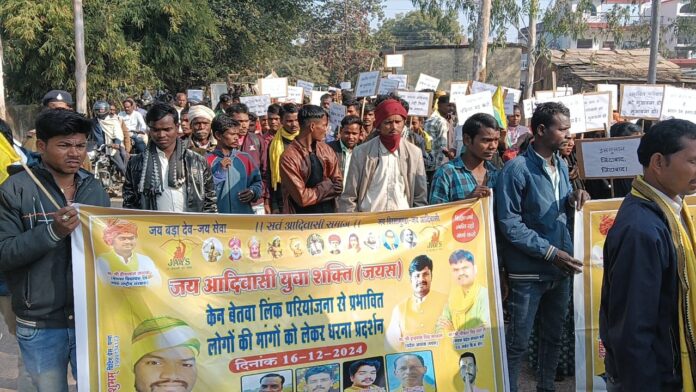
Satish Bhartiya, TwoCircles.net
Bhopal: Ken-Betwa Link Project has been touted as a solution to water scarcity in the Bundelkhand region. Prime Minister Narendra Modi laid the foundation stone for this ambitious river-linking initiative on December 25. It was seen as a new era of water security. However, behind the government’s vision of progress, a quieter, more painful story is unfolding —...
The Untold Struggles of Rajgarh’s Muslim Jewelers: Mastering Art But Losing Identity
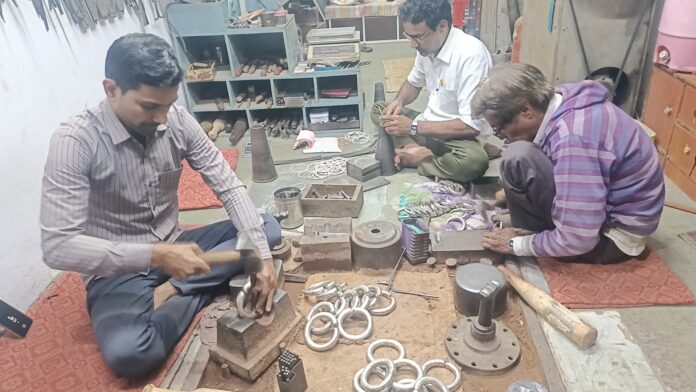
Abdul Waseem Ansari, TwoCircles.net
A legacy of craftsmanship is slowly fading into obscurity in the quiet lanes of Rajgarh, Madhya Pradesh. A family of Muslim jewellers, whose silver jewellery designs once captivated the rural heartland, have spent over six generations perfecting their art. Adored by countless women in villages, their intricate silverwork remains unmatched in the region. Yet, despite their...
2024: The Year of Religious Disputes and Legal Battles Over Sacred Spaces in India
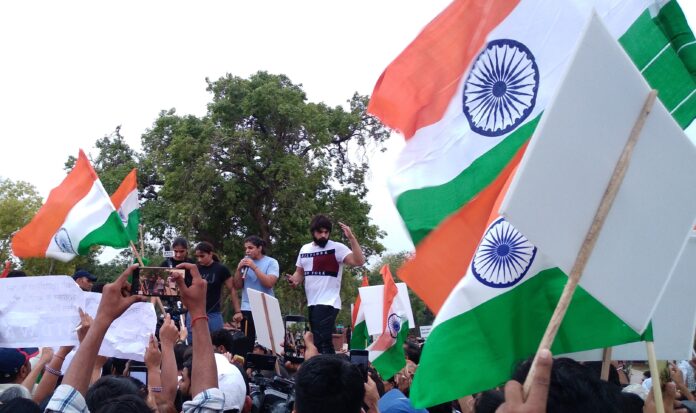
TCN News Desk
New Delhi: Several high-profile legal petitions brought the issue of religious sites and its historical significance back into the limelight in India in 2024, which came to an end today. Ranging from the Shahi Jama Masjid in Sambhal to the Ajmer Sharif Dargah, these disputes reignited debates about the ownership and identity of sacred spaces. It stirred...
Christmas in Fear: The Dark Side of Holiday Celebrations for Christians in India
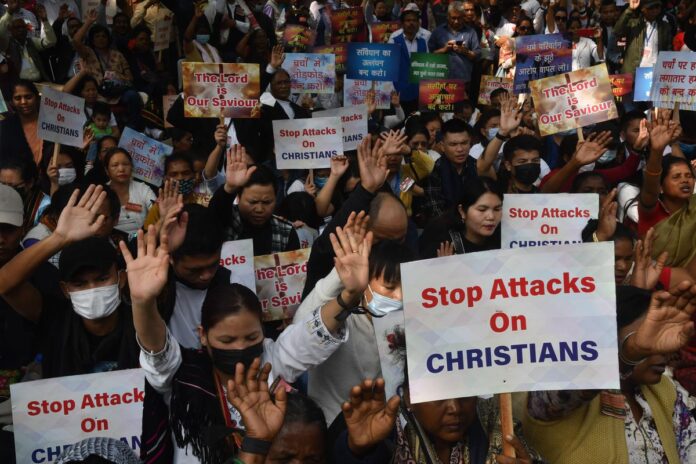
Poonam Masih, TwoCircles.net
As the festive season Christmas ushers in a sense of joy and togetherness for millions, for many Christians in India, it has become a time of fear, hostility and violence. Its celebrations and other Christian holidays in recent years have been marred by a surge in attacks allegedly from Hindutva groups, leading to a heightened sense of...
From Tradition to Transformation, How Madrasas are Shaping India’s Future
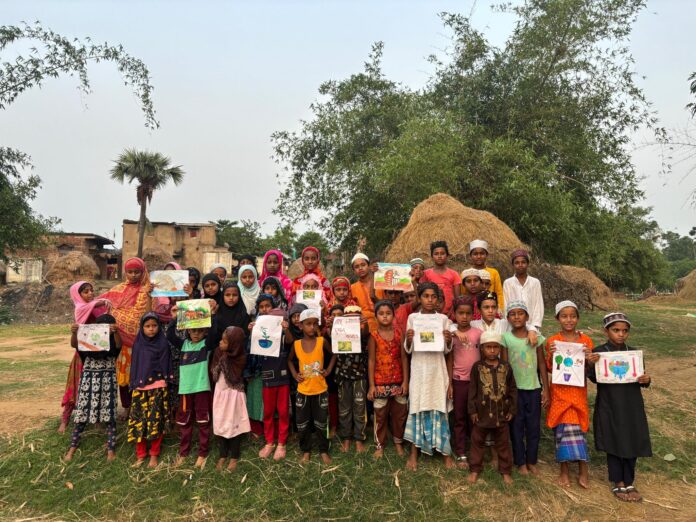
Sakshi Srivastava, Mohammed Ramees & Saqiba Kamal Khan, TwoCircles.net
Shahid's story is one that defies expectations. Hailing from a remote village, Tiruvallur, in Kerala, his early education was rooted in the traditional madrasa system. Raised with limited exposure to conventional schooling, he enrolled in a 12-year madrasa course at Jamia Ainul Huda Kapad, never imagining that one day he would be...
Meet Humairah Shami: Kolkata’s Budding Karate Champion – A Tale of Talent, Perseverance and Dreams

Nikhat Fatima, TwoCircles.net
Humairah Shami, a young Karate champion from Kolkata, has recently earned the honour of representing India at the 7th World Meet, scheduled to take place on May 8, 2025, in Bangkok, Thailand, at the Royal Rattanakosin Hotel. This prestigious event is organised by the World Martial Arts Council. Although she is thrilled about this incredible opportunity, Humairah...
Exclusive: Nawab Tonk Mosque in Bhojubeer Becomes Controversial After Yogi’s Visit
Pavan Kumar Maurya, TwoCircles.net
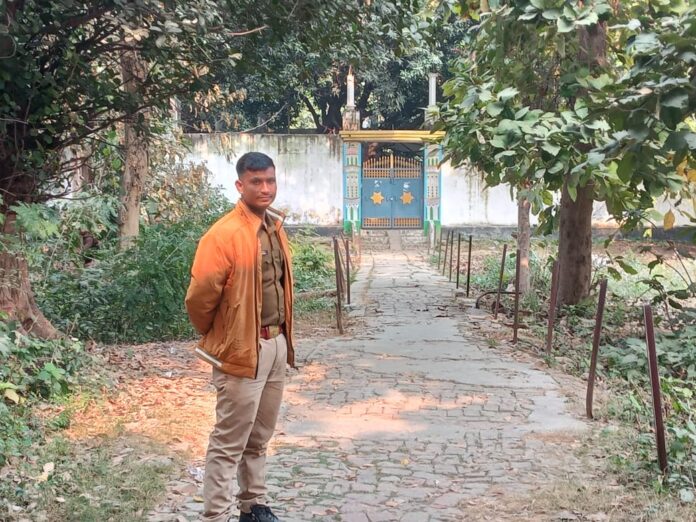
Varanasi: The Nawab Tonk Mosque, located in Bhojubeer in Varanasi, Uttar Pradesh, is currently under police surveillance. The 1298 mosque, within the premises of Uday Pratap College, has been transformed into a police cantonment. Police personnel are stationed at various points of the campus, monitoring the movements of citizens and students. A police armored vehicle is parked...
Dalmandi: The Soul of Banaras Faces a Threat – A Struggle to Preserve Cultural Heritage, Livelihoods and Identity

Aradhana Pandey, TwoCircles.net
Varanasi: Dalmandi, the heart of Varanasi, a place rich with cultural diversity and historical significance, is now on the brink of a “transformative” change that threatens not only its geographical landscape but also the livelihood and identity of thousands of families. Once known as the “Singapore of Purvanchal”, this market is facing a crisis. Here, largely Muslim traders...
Arif Mohammad Khan’s Appointment as Bihar Governor: BJP’s Strategic Muslim Face or Political Gamble Ahead of 2025 Elections?
M I Khan, TwoCircles.net
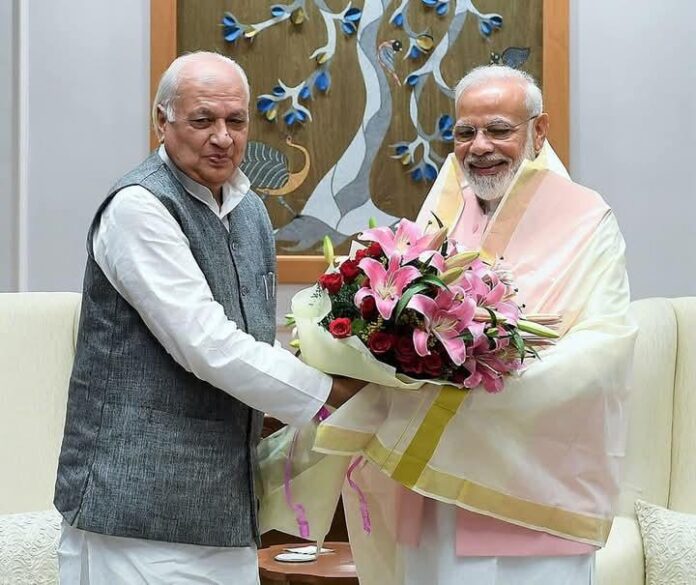
Patna: The surprise appointment of Arif Mohammad Khan as the governor of Bihar by the Bharatiya Janata Party (BJP)–led National Democratic Alliance (NDA) government in the Centre has raised eyebrows. Political observers suggest that the move may not yield the desired results, especially with the state’s assembly elections looming next year.
Following the announcement by President Droupadi Murmu,...
‘Targeted Because of Dadhi and Topi’: Muslim Trader Dies Following ‘Mob Lynching’ in Jharkhand
Mariyam Usmani, TwoCircles.net
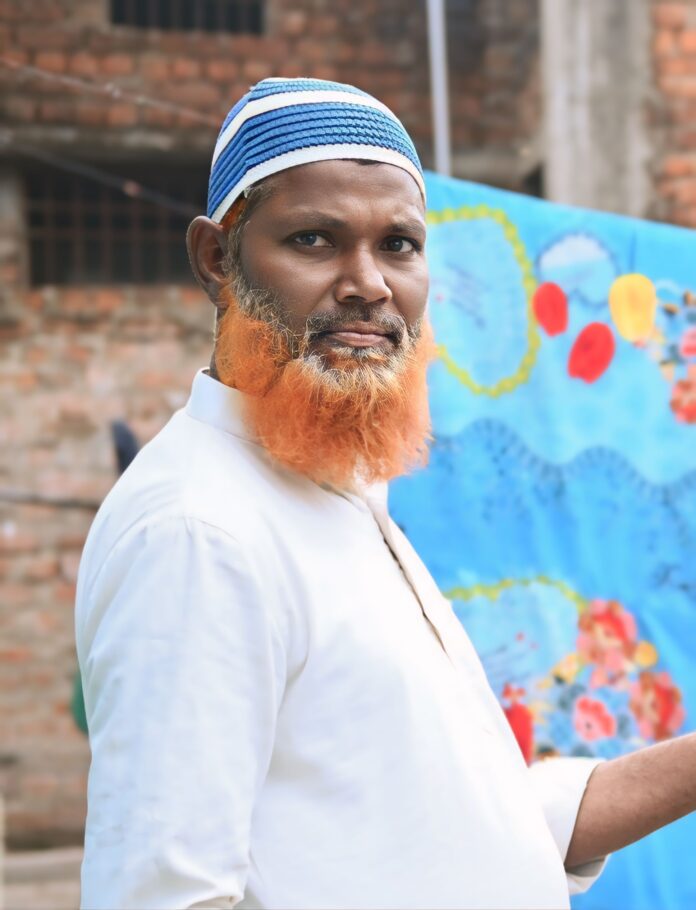
Ranchi: Sheikh Tajuddin, a local trader from the Saraikela Kharsawan district of Jharkhand, had never imagined that his Muslim appearance and “dadhi (beard) – topi (skull cap) would make him a target for mob violence. On the morning of December 8, the resident of Kapali, Ghousnagar, was allegedly attacked by a group of assailants with rods and batons in Sapara village.
“My abbu (father)...
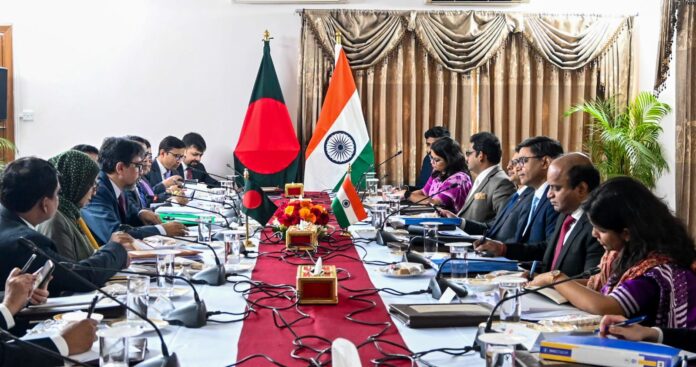
Religious Violence Tests India-Bangladesh Relations: India’s Moral Position on Minority Rights Under Scrutiny
Arijit Gupta, TwoCircles.net
Manoj Jha Questions India's Moral Authority to Lecture Bangladesh on Minority Rights Amid Rising Tensions
New Delhi: Rashtriya Janata Dal (RJD) MP Manoj Kumar Jha said in the Rajya Sabha (Upper House of Parliament) on December 17, during the Winter Session of Parliament, “We could have asked Bangladesh and Pakistan to learn from us, had our own report...
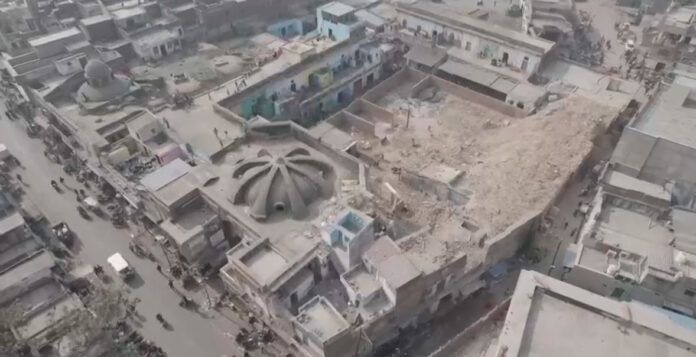
Agra’s Shahi Hammam at Risk of Demolition: Heritage, Community and Homes Threatened
Sanjana Chawla, TwoCircles.net
Lying on the banks of the Yamuna River in Uttar Pradesh, Agra is home to three UNESCO World Heritage Sites. While the Taj Mahal, Fatehpur Sikri and Agra Fort stand proudly as symbols of history and romance, a centuries-old monument is now in danger of being lost forever. The Shahi Hammam, a historical bathhouse dating back to...
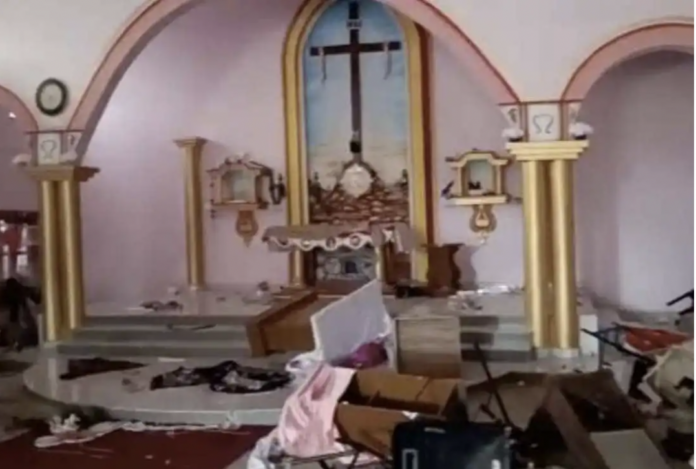
Chhattisgarh: Right-Wing Push to Demolish Churches in Bastar Amid Christmas Celebrations
Poonam Masih, TwoCircles.net
Bastar: Right-wing groups, including the Surv Adivasi Samaj and the Vishwa Hindu Parishad (VHP), have intensified their campaign against the Christian community. A Bharatiya Janata Party (BJP) legislator from Chhattisgarh’s Bastar and the State Executive Chairman of Surv Adivasi Samaj held a press conference recently where they declared their intention to run a campaign against the alleged...
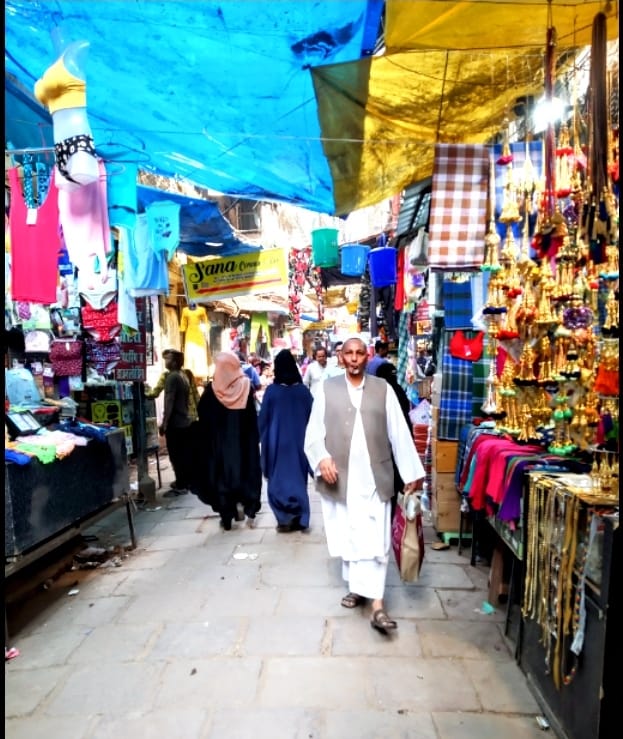
Varanasi’s Muslim Traders Face Uncertain Future as 10,000 Shops Slated for Demolition
TCN News
VARANASI: A massive urban development project in Varanasi, Uttar Pradesh, has put the livelihoods of thousands of Muslim shop owners at risk. The project, aimed at improving road connectivity and enhancing access to the Kashi Vishwanath Temple, involves the demolition of approximately 10,000 shops in the Dalmandi area, a predominantly Muslim neighbourhood. The demolition plan has sparked widespread...
Five Minors Injured as Security Forces Clash with Maoists in Bastar; Activists, Locals Denounce Use of Villagers as Human Shields
Poonam Masih, TwoCircles.net
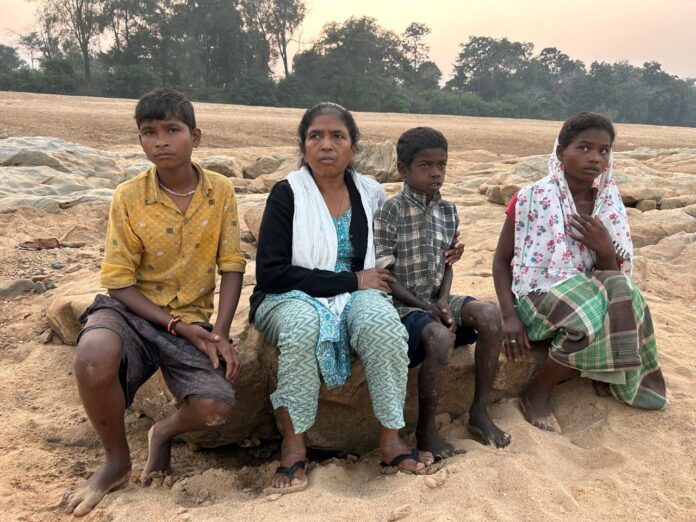
Five minors were allegedly injured on December 12 by bullets during a suspected encounter between security forces and Maoists in the border villages of Kummam and Lekawada, situated on the border of Dantewada and Narayanpur districts in South Bastar, Chhattisgarh. This incident occurred just days before Union Home Minister Amit Shah's visit to the region, where he...
Madhya Pradesh: Oxygen Pipe Stolen Due To Hospital Negligence; Jeopardising lives of newborns in Intensive Care

TCN News
Rajgarh, Madhya Pradesh: In a distressing incident at Rajgarh District Hospital, a 10 to 15-foot-long copper pipe supplying oxygen to the Newborn Intensive Care Unit (NICU) was stolen late Tuesday night (December 17, 2024), creating a life-threatening situation for 12 oxygen-dependent newborns.
The theft disrupted the oxygen supply, causing the babies to struggle with breathing difficulties. The NICU's alarm...
Mewat’s Mic Holders: How Unpaid Grassroot Journalists Battling for Change Amid Media ‘Neglect’
Snobar, TwoCircles.net
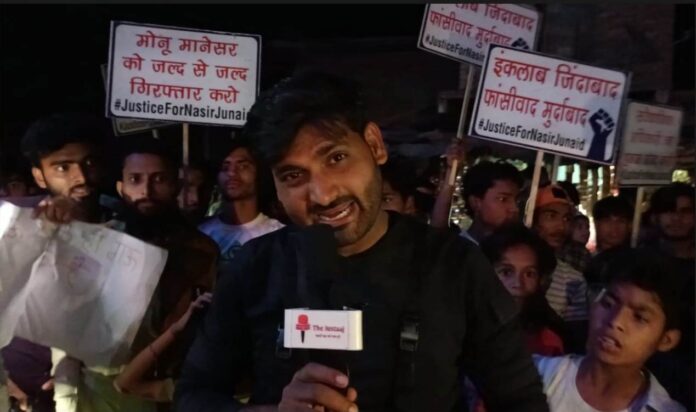
Young voices in Mewat, where Haryana meets Rajasthan, are rising up to expose the region's long-neglected struggles. Driven by a blend of shared identity and unaddressed social challenges, these independent journalists — belonging to diverse backgrounds — are determined to raise their community’s voice in the face of alleged media neglect.
Now officially known as Nuh, Mewat was identified...
Assam Police’s Tear Gassing Killed Congress Leader Mridul Islam? Unanswered Questions Loom Following Assault on Protesters, Press in Guwahat
Sandipan Talukdar, TwoCircles.net
Guwahati: "The tear gas shells suddenly fell before us like a bolt from the blue while we were about to take bytes from Assam Congress President Bhupen Borah. There was no warning or intimidation from the police. It was all of a sudden, and several journalists got injured,” said Jayanta Deka, a Guwahati-based independent journalist while recounting...
Ajmer Dargah Dispute: Deewan and Khadim Bodies Seek Legal Standing in Controversial Petition
TCN News Desk
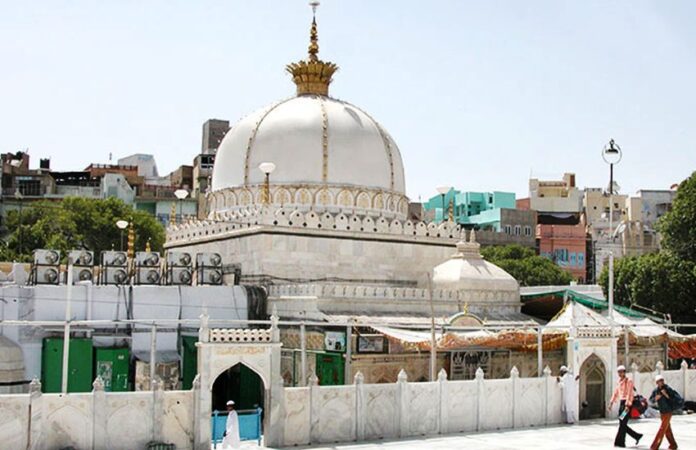
Ajmer: A legal twist has emerged in the ongoing dispute over the Ajmer Dargah (shrine). Five new applications have been filed in a court in Ajmer to intervene in a petition that seeks to declare the shrine of Khawaja Gharib Nawaz a Hindu temple. The next hearing is scheduled for January 24.
The five parties on December 20...
Fear Behind Closed Doors: The Aftermath of Sambhal’s Clash
TCN Staff Reporter
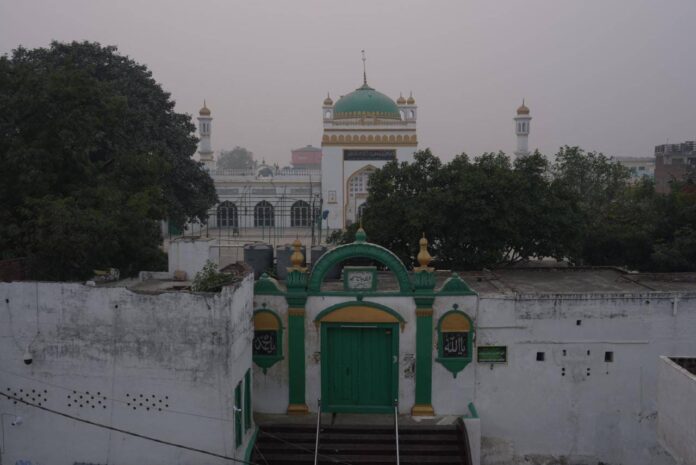
Sambhal: Life in Uttar Pradesh’s Sambhal, a city steeped in history, seems to have come to a standstill. Two months ago, the city’s Shahi Jama Masjid — an architectural marvel from the 16th century — became the center of a storm that has yet to subside. The deadly violence that erupted here in November, triggered by a controversial...
‘Beaten’, ‘Shaved’ and ‘Forcibly Converted’: Sitapur Man Reverts to Islam, Vows to Stay Muslim
TCN Staff Reporter
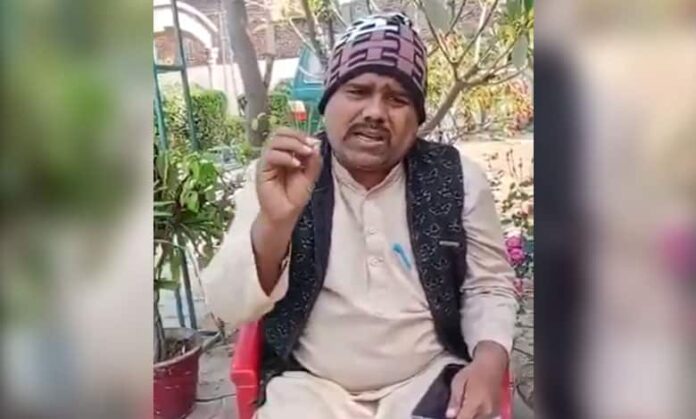
New Delhi: Fatehuddin, a resident of Uttar Pradesh's Sitapur, converted to Hinduism and changed his name to Fateh Bahadur on December 18. However, just two days later, he reversed his decision and returned to his Muslim faith. He claimed that his conversion was not voluntary but was instead forced upon him by police officers.
He alleged, in a...
Ground Report: Struggle of Isolated Kelhadiya Village in East UP Where Tribals Drink Water from Mountain Stones

Pawan Kumar Maurya, TwoCircles.net
Chandauli (Uttar Pradesh): Tribal villagers in the isolated hills of Kelhadiya, located about 130 km from Varanasi (Prime Minister Narendra Modi’s parliamentary constituency) and 80 km from the Chandauli district headquarters, grapple with a constant battle against thirst, whether it is the blistering summer heat or the freezing winter chill.
Nestled in the Nagdah tehsil between the Vindhya...
Bihar: Meet Habiba Bukhari, Daughter Of An Imam And A Judicial Officer From Munger
Sami Ahmad, TwoCircles.net
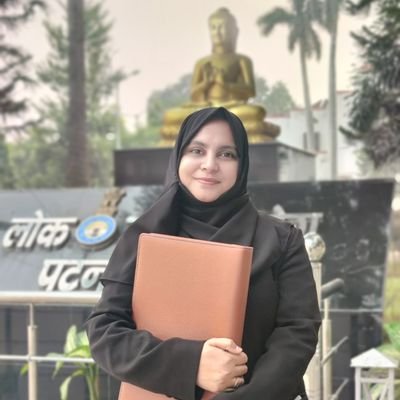
Patna: Habiba Bukhari from Munger received on November 28, 2023, one of the most joyous pieces of news in her life: she had been selected for the Bihar Judicial Service. She secured 30th rank in the general category. This remarkable achievement of hers not only marks a significant personal victory but also reflects the strength of her...